Invisalign

Invisalign for Closing Gaps

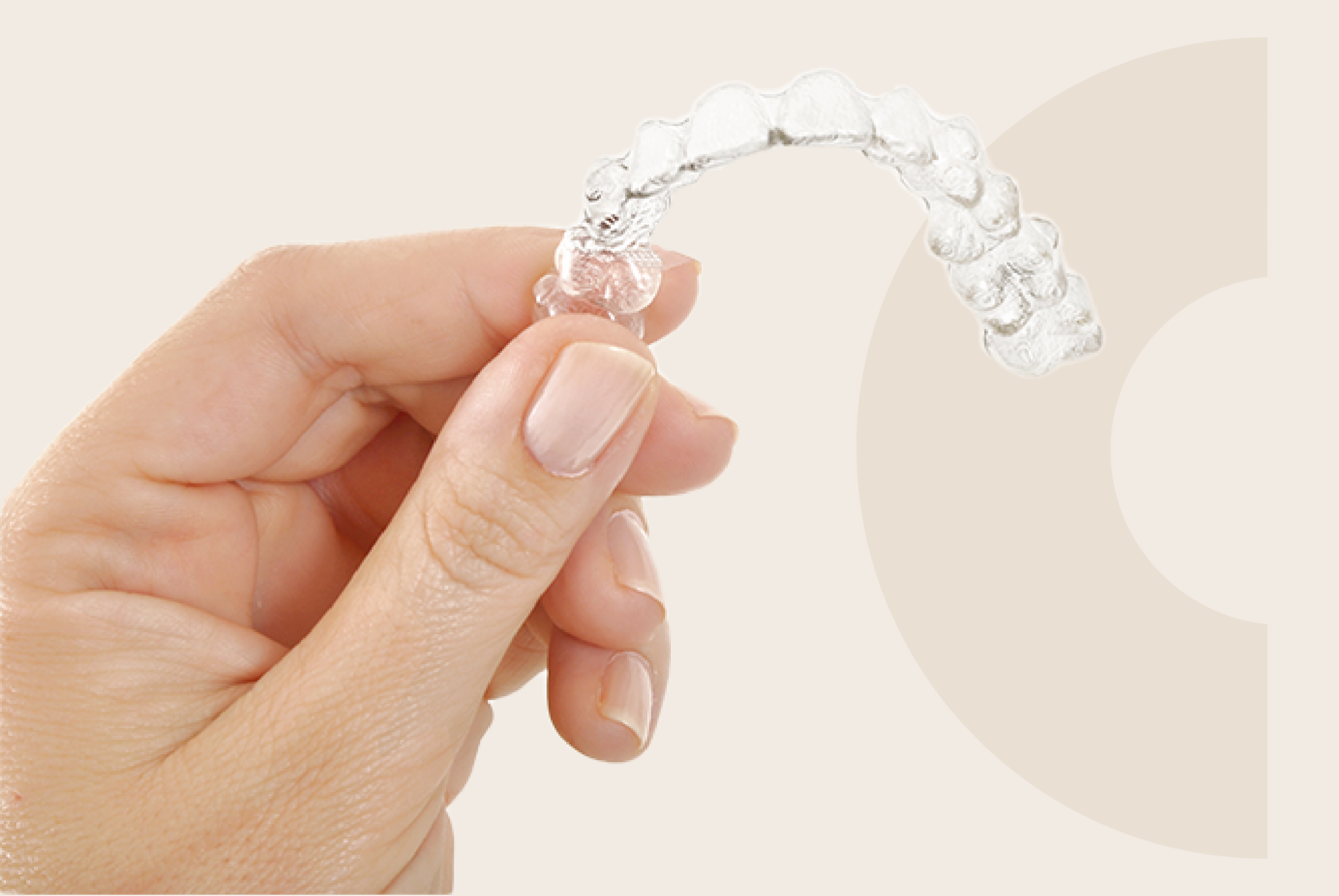
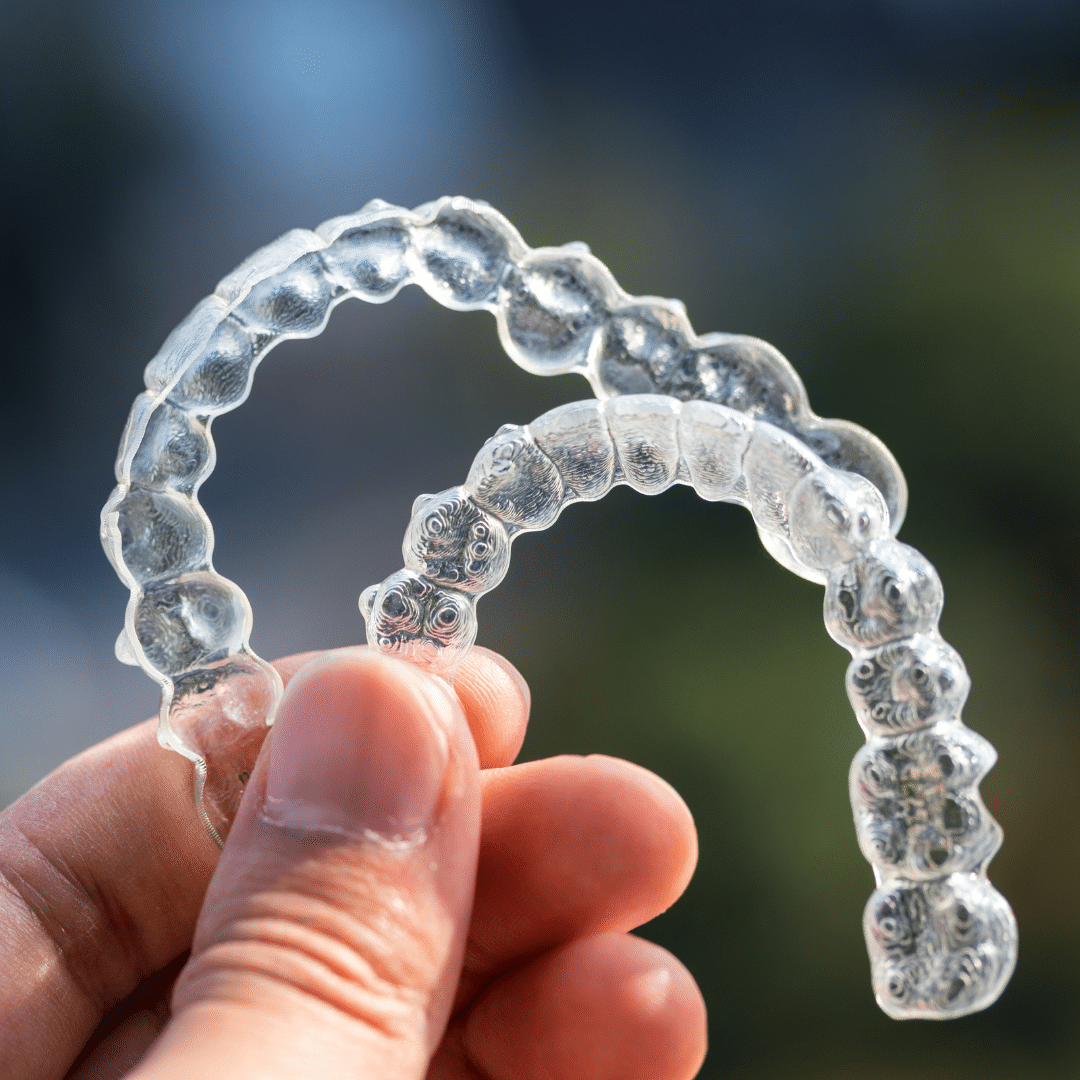
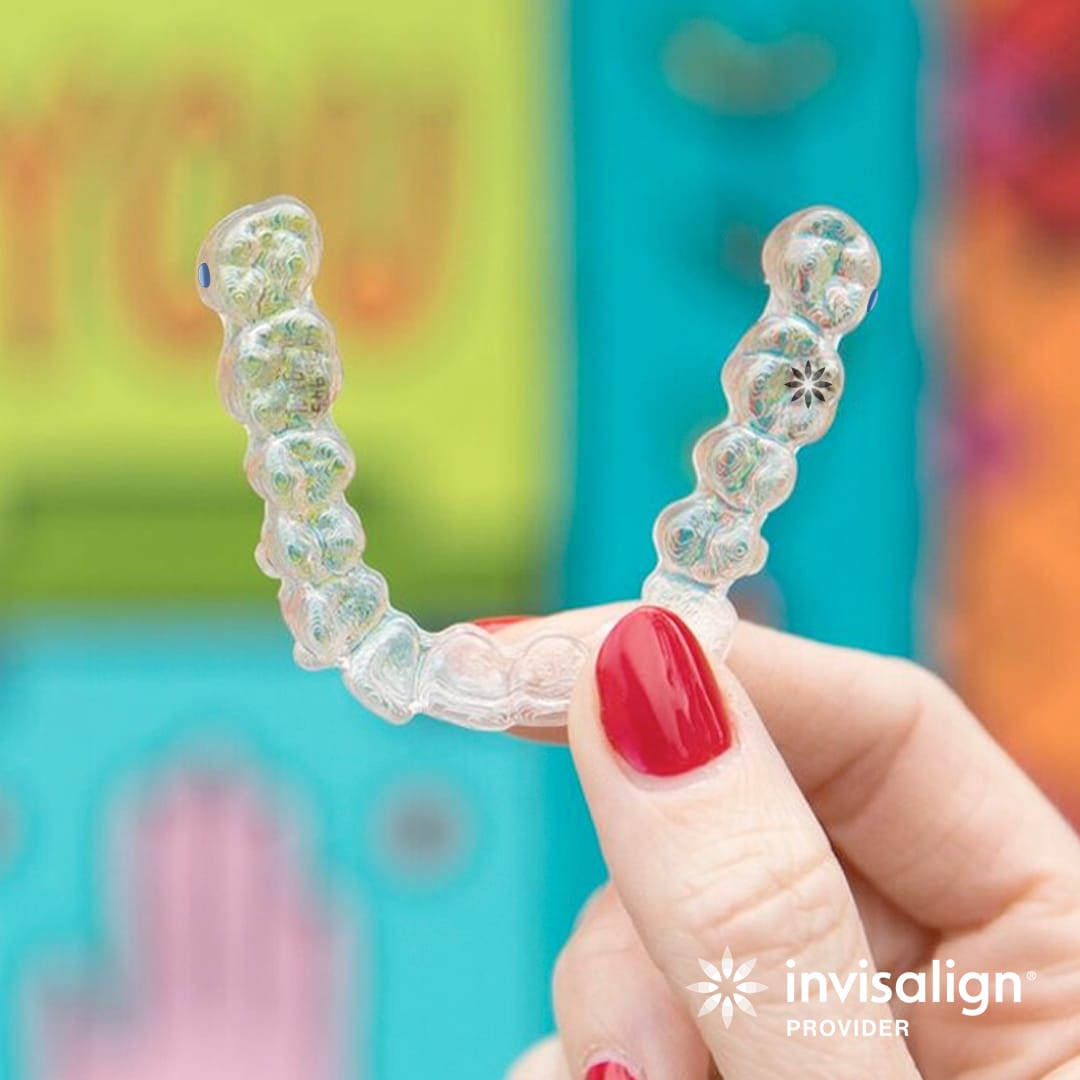
At Dunegan & Cole Orthodontics, we specialize in Invisalign treatments and have seen the results these clear aligners have on closing gaps in your smile. Review these questions and answers on Invisalign for closing gaps in teeth to understand this treatment better. Can You Use Invisalign to Close a Gap? Yes! Invisalign aligners are commonly […]

At Dunegan & Cole Orthodontics, we specialize in Invisalign treatments and have seen the results these clear aligners have on closing gaps in your smile. Review these questions and answers on Invisalign for closing gaps in teeth to understand this treatment better.

Can You Use Invisalign to Close a Gap?

Yes! Invisalign aligners are commonly used to close gaps. Because Invisalign is discreet, it’s a great way to close gaps in teeth without braces. 

Can Invisalign Close a Gap in the Front Teeth?

Invisalign can work for a gap in your front teeth. It’s possible to get Invisalign just for your top row of teeth, but the team at Dunegan & Cole Orthodontics can consult with you on your specific treatment needs.

How Long Does It Take Invisalign to Close a Gap?

Every patient’s experience is different. How long it takes Invisalign aligners to close gaps between your teeth will depend on factors like the size of the gap. At Dunegan & Cole Orthodontics, we find Invisalign treatment often takes our patients with mild cases six to 12 months. Moderate gaps could take up to 18 months, while severe cases may need two years for treatment.

During that time, you’ll receive a series of aligners. You’ll wear each one for one to two weeks, 20-22 hours a day, taking your aligners out to brush, floss and eat. During treatment, you typically come in every three to four months for an appointment to check your smile’s progress.

Does Invisalign Prevent Tooth Gaps?

While these aligners close existing gaps, they can help prevent new ones from forming, too. Invisalign aligners can serve as a night guard to help protect your teeth from grinding at night, which can help prevent your teeth from shifting more. 

Can Tooth Gaps Come Back After Treatment?

It’s possible for gaps in your teeth to come back after Invisalign. Your orthodontist can recommend a retainer to maintain your straight smile once you achieve it through treatment. Possible options include a permanent retainer, which is a metal wire bonded to your teeth, or a clear aligner, which will be similar to your clear Invisalign trays.

If you’ve had braces before and your smile has developed gaps, you can seek Invisalign treatment to correct your smile again. 

Let Dunegan & Cole Orthodontics Help Close Gaps Without Braces

Let Dunegan & Cole Orthodontics Help Close Gaps Without Braces

If you’re near Gainesville, Virginia, visit Dunegan & Cole Orthodontics. We’ll meet with you for a free Invisalign consult and provide our recommendation for the best orthodontic care for your smile. Complete our scheduling form to book your visit. 

Find Your Smile

Ready to get started? Smile Consultations are Complimentary!

Book A Free Consult
Invisalign

Invisalign for Crowded Teeth

Crowded teeth are among the most common orthodontic concerns. If your teeth overlap, twist or feel packed tightly together, it can significantly impact your oral health and confidence when you smile. The good news is that solutions have evolved well beyond traditional braces. With Invisalign, you can straighten your smile using a clear, nearly invisible aligner […]

Crowded teeth are among the most common orthodontic concerns. If your teeth overlap, twist or feel packed tightly together, it can significantly impact your oral health and confidence when you smile. The good news is that solutions have evolved well beyond traditional braces. With Invisalign, you can straighten your smile using a clear, nearly invisible aligner system that fits easily into your daily life.

Invisalign is a proven option for correcting mild to complex cases of crowding. By gradually guiding teeth into alignment, Invisalign for crowding can help you achieve a healthier and straighter smile discreetly. 

What Are Crowded Teeth? 

Crowded teeth occur when there is insufficient space in the jaw, causing your teeth to line up incorrectly. Instead of forming a smooth arch, teeth may overlap, rotate or push forward and back, making cleaning difficult and sometimes causing discomfort. Several factors contribute to crowding:

  • Genetics: If parents or siblings have crowded teeth, you may also be more likely to have them.
  • Atypical loss of baby teeth: When a child loses baby teeth early or late, it can disrupt the path for adult teeth, causing them to erupt at odd angles.
  • Childhood habits: Oral habits like thumb sucking or extended pacifier use can shift teeth out of place.
  • Other causes: In some cases, extra teeth or jaw size discrepancies can increase the risk of crowding.

Mild cases may only involve slight overlap, while more severe crowding can result in significant misalignment or difficulty with daily cleaning. No matter the cause, fixing crowded teeth without braces has become much more manageable thanks to modern orthodontic options like Invisalign.

Why Fix Crowded Teeth?

Early intervention with Invisalign for crowded teeth can prevent more complex dental procedures later in life. Correcting crowded teeth brings numerous health and lifestyle benefits:

  • Reduced risk of cavities and gum disease: Crowded teeth create small, hard-to-clean spaces where plaque and bacteria collect. Over time, this increases your risk of tooth decay, gum disease and persistent bad breath. Properly aligned teeth are much simpler to brush and floss, helping reduce the chance of cavities and gum problems.
  • Decreased jaw strain: Correcting crowded teeth eases unnecessary stress on your jaw, potentially preventing chronic discomfort or uneven tooth wear.
  • Improved speech and chewing: Addressing crowding can improve how you bite and speak.
  • Lower chances of abnormal tooth wear: Fixing overcrowded teeth prevents them from overlapping or rubbing against each other, which usually causes the enamel to wear down faster. 
  • Enhanced self-esteem: Straight, aligned teeth encourage you to smile freely and confidently, positively influencing personal and professional interactions.

How Does Invisalign Work for Crowded Teeth? 

Invisalign effectively corrects crowding by gently guiding your teeth into proper alignment. Here’s how the treatment works, step by step:

  1. Comprehensive consultation and digital imaging: Before treatment can begin, your orthodontist thoroughly evaluates your teeth, bite and overall oral health. They then take detailed digital scans of your mouth using advanced 3D imaging technology to capture precise measurements. These scans help create an accurate virtual model of your current dental alignment.
  2. Custom treatment planning: Your orthodontist then develops a tailored treatment plan for how to fix your crowded teeth. Using advanced software, they design a series of aligners that gradually move your teeth into their ideal positions. Each aligner targets specific teeth and movements, ensuring controlled, predictable progress. This technique allows you to preview the expected final result before treatment begins. 
  3. Wearing and changing aligners: You’ll wear each set of aligners for 20 to 22 hours each day, removing them only when eating, drinking, brushing or flossing. Every one to two weeks, you transition to a new set of trays, each carefully designed to move your teeth incrementally closer to their ideal positions.
  4. Progress monitoring: Throughout your Invisalign journey, your orthodontist closely monitors your progress, typically scheduling appointments every 8 to 10 weeks. These appointments allow your orthodontist to make necessary adjustments to keep your treatment on course. Thanks to virtual monitoring options, you may need fewer office visits than with traditional braces. 

Invisalign vs. Traditional Braces

Many people prefer Invisalign for crowded teeth over traditional braces because:

  • Unlike braces, aligners are nearly invisible, making treatment discreet.
  • You can remove aligners to enjoy any meal and maintain your oral hygiene routine.
  • The system provides a more comfortable experience since it has no metal or sharp edges like braces, just smooth plastic.
  • Treatment typically requires fewer appointments, giving you greater convenience and flexibility.

Choosing to fix crowded teeth without braces has never been easier or more effective, especially for those who value discretion and convenience.

Invisalign for Bottom Teeth Crowding 

Crowding in the lower teeth is particularly common due to the smaller jaw space available. Invisalign is highly effective for bottom teeth crowding because aligners precisely target problem areas. Custom aligners can gradually expand the dental arch or reposition teeth, resulting in an even smile and a healthier foundation for long-term oral health.

Custom aligners can gradually expand the dental arch or reposition teeth, resulting in an even smile and a healthier foundation for long-term oral health.

Invisalign Aftercare

Finishing Invisalign for crowding treatment is an exciting achievement, but keeping your teeth straight requires ongoing care. Once your aligners have done their job, you will need a custom retainer to help maintain results. Wearing a retainer as instructed prevents teeth from shifting back over time. Retainers can take several forms, including clear plastic trays similar to Invisalign aligners or a small wire bonded behind the teeth. Consistent use, typically at night, is crucial for lasting results. Routine follow-ups with your orthodontist also help protect your investment and support healthy alignment for years.

Are You a Candidate for Invisalign for Crowding? 

Invisalign for crowded teeth is suitable for many cases, from minor overlaps to more complex dental crowding in children, teens and adults. Many patients with mild or moderate crowding see excellent results with Invisalign alone. For those with more severe crowding, additional measures, such as attachments or small, tooth-colored buttons, can help guide teeth into position. 

In severe cases, orthodontists may recommend extractions or additional procedures to create needed space before beginning aligner treatment. Your care provider will assess your unique situation, dental history and treatment goals to develop a custom approach that matches your needs.

How Long Does Invisalign Take for Crowded Teeth? 

The length of treatment depends mainly on your teeth’s condition and your compliance with treatment guidelines. Here’s a general overview:

  • Mild cases may resolve in as little as 6 to 12 months.
  • Moderate crowding often takes 12 to 18 months.
  • Severe cases may require up to 24 months, especially if extra steps like extractions are part of your plan.

Wearing your aligners for 20 to 22 hours daily and attending scheduled check-ins are critical to help keep your treatment on track. The complexity of tooth movements, age and your specific oral anatomy also affect how quickly you will see results. Your orthodontist will provide a precise estimate during your initial assessment.

Book Your Free Invisalign Consultation for Crowded Teeth Today 

Book Your Free Invisalign Consultation for Crowded Teeth Today

Crowded teeth influence your health, comfort and confidence. Invisalign offers a practical, discreet solution to achieve a beautifully aligned smile without braces. 

At Dunegan & Cole Orthodontics, your treatment begins with a no-cost consultation, during which you’ll meet with a doctor and treatment coordinator, get a digital scan and review your custom plan. As one of the country’s top 1% Invisalign providers, our team has experience treating everything from minor crowding to complex cases that other practices often turn away. With convenient appointments and minimal waiting times, we focus entirely on your comfort and satisfaction. Schedule your free consultation today and discover how we can transform your smile.

Find Your Smile

Ready to get started? Smile Consultations are Complimentary!

Book A Free Consult
Featured, Invisalign

Invisalign with Missing Teeth: Treatment Possibilities and Advice

Invisalign can still be a treatment option if you have a missing tooth. Here’s what you need to know, before you undergo your fitting.

Invisalign with Missing Teeth: Treatment Possibilities and Advice

Invisalign is an innovative treatment that uses near-invisible aligners to straighten teeth. It’s very popular, safe, and effective, not to mention that they are much more comfortable when compared to traditional, metal braces.

Can I get Invisalign with Missing Teeth?

A lot of people who have missing teeth ask themselves, can I get Invisalign with missing teeth? And the answer is a resounding yes. Invisalign with missing teeth is just as effective as other clear aligners, as there are things that can be done to ensure that your teeth don’t shift into the open gap.

The root of your tooth, contrary to popular belief, isn’t set in bone. It’s surrounded by ligament, that’s much softer. As a result of this, each tooth has some degree of flex. As the years go by, your teeth will move into the nearest space, which is one of the many reasons why they become misaligned. Invisalign aligners are one of the best methods of resetting misaligned teeth, and it’s a suitable treatment option even if you have one, or more missing teeth. Traditional orthodontics use a bracket that is bonded to the teeth. Wires are then used to apply pressure over time, reshaping the teeth and setting them in the right position. 

With Invisalign, a plastic aligner is used to apply pressure to the teeth. Even if you have missing teeth, you can still obtain great results with this treatment. Some dentists even recommend removing teeth, if your teeth are crooked due to overcrowding. This helps to create room for the teeth to align properly and stops them from returning to their previous position. If you have a very large gap, and this is causing teeth to move into it, then your dentist may recommend that you get a bridge or a gap implant before having your Invisalign braces fitted.

Can You Get Clear Aligners for Missing Teeth?

Even though you can have clear aligners fitted, even if you have missing teeth, there are some instances where Invisalign aligners are not suitable. If you have baby teeth present, or if you have had certain teeth removed then you may not be able to have the braces fitted. If you have a very large gap in your smile, then this may also mean that this orthodontic treatment is not suitable. The main reason for this is because the braces pressure on the teeth to reset them. If you have a large gap then this may force other teeth to move into the space, creating further issues later down the line. If you have a lot of false teeth, then you may also not be a candidate for Invisalign. With that being said, a lot of this comes down to where your false teeth are, and the severity of your crooked teeth.

Invisalign Tooth Spacers and Partial Dentures 

If you have a fake tooth, or if you have an existing dental implant then you can still use Invisalign. You may need to have some spacers put into your tray to accommodate any missing teeth, and if you have partial dentures, you may not be able to wear the prosthetic for the duration of your treatment. Your dentist will, however, recommend that you use spacers, as this is a good way for you to stop your teeth from shifting to the empty spot. As new orthodontic treatments hit the market, dentists are starting to move away from partial dentures, or prosthetics. Dental implants provide a more permanent solution for missing teeth, and as the implant acts and looks like a real tooth, it can be used with Invisalign. Dental implants will not move during your treatment either.

Temporary Solutions for Missing Teeth

If you have a missing tooth and are currently waiting for Invisalign treatment or an appointment with your dentist, then you have several options available. Take a look below to learn what they are, and to find out if you can use Invisalign with missing teeth if you have had that tooth temporarily fixed in the past.

Orthodontic Wax

If you have a visible tooth missing and you know that you can’t get to the dentist, it may be worth visiting your local pharmacy. They should be able to provide you with an orthodontic wax. While this is not a permanent fix by any means, it should help to fill the gap left by your missing tooth. Orthodontic wax is very sticky and this means that it will adhere to the neighboring teeth. When you have molded it, you can shape it further by using a toothpick. This is a very short-term fix and it is susceptible to temperature changes, and distortion from both food and drink. If you ask your dentist can you use clear aligners with missing teeth, they will tell you yes, but any orthodontic wax will have to be removed first. 

Temporary Tooth Kits

A similar option, for those who want to replace a tooth would be an emergency tooth replacement kit. Kits like this are sold at drug stores and they come with beads that you submerge in hot water. You will then shape the beads into a mass, using your fingers. When the solution is pliable, you can then place it in the gap, pushing it against any adjacent teeth to lock it into place.

OTC Dentures

Another solution, if you have a missing tooth, would be for you to use OTC dentures. These kits contain a strip of veneer, with pink gum attached. You will need to heat it and then apply it over your natural teeth. The veneer will cover any spaces in your teeth and it contains a self-setting material. This is normally a form of thermoplastic, which can be removed. Most kits like this contain a file and some scissors so you can trim them, with the option of customizing the arch so that the veneers fit comfortably in your mouth. 

A lot of people wonder, can you get Invisalign with a missing tooth, with OTC dentures? Although you can use clear aligners with missing teeth, and we know that Invisalign with partial dentures can be very effective, you can’t use clear aligners with OTC dentures. The fix needs to be permanent, for you to be able to use Invisalign aligners.

Flippers

If you have a single tooth missing, a flipper can work as a temporary option. Your dentist will take an impression of your mouth, and adhere a single tooth to your remaining teeth. This is a better option than an OTC treatment as it looks natural, and fills the entire space left by your missing tooth. Although you can’t eat certain foods, like tough meat or corn on the cob when you have a flipper, you can regain any confidence that you might have lost as a result of your missing tooth. If you want Invisalign and you have a flipper, be sure to just check with your dentist, and ask can you get Invisalign with missing teeth, if you have had treatment for that tooth before.

So, to round up, can you get Invisalign with missing teeth? Absolutely. You can use clear aligners with missing teeth as your dentist will usually add a spacer, to stop the other teeth from shifting into the gap.  If you want to find out more, reach out by calling 571-771-2460, or contact us here.

Find Your Smile

Ready to get started? Smile Consultations are Complimentary!

Book A Free Consult
Featured, Invisalign

How Long Do You Have To Wear Invisalign? Understanding Duration

How long do you have to wear Invisalign? All your treatment duration questions answered in one handy guide!

Introduction

Invisalign is one of the most popular modern orthodontic treatments. Invisalign data suggests that more than 18 million people worldwide have already completed Invisalign treatment, which involves wearing a series of bespoke clear aligners. The treatment process for Invisalign is simple, but it’s essential to follow instructions to enjoy optimum results. This includes making sure you wear your Invisalign aligners for the required time each day. In this informative guide, we’ll answer all your questions about treatment duration and share tips to help you ensure you understand how long you have to wear Invisalign for. 

Duration of Invisalign Treatment

One of the most common questions people have about Invisalign treatment is ‘How long do you wear Invisalign for?’ You might be wondering how long treatment will take and how long you have to wear your aligners for on a daily basis. The total treatment time will vary according to your needs. Invisalign is suitable for individuals with a wide range of orthodontic issues, including mild crowding, minor misalignment and gaps between the teeth. The more complex your needs, the longer treatment will take. Your orthodontist will discuss the expected treatment duration with you during your consultation. Typically, Invisalign treatment takes between 6 and 12 months. Studies show that Invisalign works faster than other treatments, with the average treatment course completed five months earlier. 

When you start Invisalign treatment, you’ll be given a set of customized aligners. Each aligner should be worn for one week. You will then move to the next aligner, replacing your aligners every week until treatment is finished. 

Should You Wear Invisalign All Day?

Yes, for optimal results, you should wear your Invisalign aligners for a minimum of 20 to 22 hours per day. This consistent wear ensures the aligners exert continuous gentle pressure to gradually move your teeth into their desired positions. Ideally, you should wear your aligners as much as possible and only take them out to eat, drink and brush your teeth

How Long to Wear Invisalign Trays

There are two key timeframes to consider with Invisalign treatment. Firstly, how long to wear Invisalign trays, and secondly, how long treatment takes in total. 

  1. How long do I wear Invisalign aligners?

Each aligner is designed to be in place for one week. Your orthodontist will recommend a suitable duration for you based on your requirements. After one week, you take your aligner out and replace it with the next aligner in the series. 

  1. How long do you use Invisalign?

The total duration of Invisalign treatment depends on how much movement is needed. If you only have minor orthodontic issues, your treatment may take less than six months. If you have more severe issues, treatment may take 12 months or longer. 

Invisalign: Time Commitment Explained

When you’re choosing treatment options to achieve a straight smile, it’s important to understand what the process entails. Invisalign offers a host of benefits, including discreet treatment and faster treatment times than some other options, but you have to understand how many hours a day to wear Invisalign to get results. Many people enjoy the freedom of removable braces, but you have to commit to wearing your aligners if you want a beautiful, straight smile. If you don’t wear your aligners for 20-22 hours per day, treatment will take longer and you might not get the results you wanted. 

Optimal Duration for Invisalign Use

The optimal duration for Invisalign use is around 1 week per aligner. When you begin treatment, your orthodontist will give you a bespoke set of aligners, which work in a specific order, and advise you how long to wear each tray. You will continue to wear your aligners for 20-22 hours per day for 1 week and follow the sequence until treatment is complete. Treatment with Invisalign can take between 3 and 24 months, depending on the nature and severity of your orthodontic issues. 

Invisalign: Hours per Day

It’s best to wear your Invisalign aligners for 20-22 hours per day, every day. 

How Long to Keep Invisalign On

The success of Invisalign treatment depends on wearing Invisalign aligners for a minimum of 20-22 hours per day. During Invisalign treatment, we recommend removing your aligners to do the following:

  • Eat
  • Drink
  • Clean your teeth
  • Clean your aligners

Invisalign: Treatment Duration

It’s natural to have questions like, ‘How long do you wear Invisalign for?’ and ‘How many hours do you use Invisalign?’ Treatment duration for Invisalign patients varies according to how much movement is needed. In minor cases, you may only need to wear Invisalign aligners for 3-6 months. If you have more complex needs, you may need to use Invisalign for 6-24 months. Your dentist will give you an accurate idea of treatment time frames during your Invisalign consultation. If you choose to have Invisalign, you’ll need to wear your clear aligners for 20-22 hours a day. 

Tips to Help You Hit Your Daily Invisalign Use Targets

It’s really important to follow advice from your dentist to make sure you get the smile you want. Here are some tips to help you hit daily Invisalign use targets:

  1. Establish a routine: It’s helpful to get into a routine, which means you have set times when you remove your aligners. You might want to take them out for 20 minutes when you have your breakfast and lunch and a little longer when you have dinner, for example. 
  1. Try to take your aligners out only to eat, drink and brush your teeth: It’s beneficial to wear your aligners as much as possible. Try to get into the habit of taking them out only when you want to eat, have a drink or brush your teeth.
  1. Set reminders: If you forget to put your aligners back in after eating or drinking, for example, set a reminder on your phone.
  1. Use apps to track daily usage: You can use apps on your phone to track and monitor daily usage. 
  1. Keep your case with you: Carrying your Invisalign aligner case with you will make it easier to remove and replace your aligners on the go and keep them as clean as possible. 

How Does Invisalign Work to Straighten Teeth?

Invisalign works by using a series of custom-made, clear plastic aligners that gradually shift your teeth into their correct positions over time. Each aligner in the series is precisely calibrated to apply gentle, consistent pressure to specific teeth. You wear each set of aligners for about one week, and then switch to the next set in the series, progressively moving your teeth until the desired alignment is achieved.

Conclusion

Invisalign treatment involves wearing a series of custom-made aligners. Each aligner should be worn for 1 week. The total treatment time varies according to the type and severity of your orthodontic issues. Most people will wear Invisalign aligners for between 6 and 12 months. During treatment, you’ll need to wear your clear aligners for 20-22 hours per day. 

If you have any more questions about treatment duration, or you’d like to find out about how long you have to wear Invisalign for, contact the team at Dunegan & Cole today

Find Your Smile

Ready to get started? Smile Consultations are Complimentary!

Book A Free Consult
Featured, Invisalign

How to Remove Invisalign: Step-by-Step Guide for Easy, Pain-Free Removal

Learn how to remove Invisalign and Clear Correct aligners easily and without pain. Follow our step-by-step guide for smooth, stress-free aligner removal.

Invisalign has gained increasing popularity in recent years as a preferable alternative to braces, but new users can find that there is a learning curve to wearing one. As the aligners need to be removed before eating, Invisalign wearers may find this aspect tricky. Fortunately, there are ways to make the process simpler, and below we look at some tips of use to wearers.

Removing Invisalign: Tips and Tricks

If you’re wondering how to take Invisalign out, don’t worry, you’re not the first to look for help on this! It can be challenging, but look on the bright side. If an aligner came out easily on the first attempt, it would be of limited use in correcting the teeth, so some resistance is actually ideal. First, here is some advice on what not to do:

Don’t hurry: Take a moment, breathe and wash your hands before attempting to remove the aligner. This is a key hygienic step and also stops you rushing.

Don’t tug on it: If one side of the aligner is stuck, don’t jerk on it because it could break in your mouth – and that’s a bigger problem. Just try using your fingertip to lever it out.

Don’t use your fingernails: Even if your fingernails are spotlessly clean, avoid using them when figuring out how to remove clear aligners; There’s a risk of scratching if you do that.

So what should you do? The following are a couple of key steps you should take:

Start from the back: It is easier to get a grip on the aligners at the end of the gums, ie. at the back of the mouth. This will help ease them free.

Wear gloves if it helps: You may find you get a better hold of the Invisalign by wearing latex gloves; if that’s the case, go for it. You’ll also find it’s more hygienic.

Easy Ways to Take Out Invisalign

It’s a simple truth: you’ll need to find a reliable and easy process for how to get Invisalign out, because you will need to do it several times a day. So it makes sense to keep the following easy approaches in mind.

  • Use the fingertips, not the nails to pull the aligners away. This ensures a firmer grip which is less likely to slip.
  • Apply even pressure on both sides of the aligner. This should see it come out smoothly in one go.
  • Especially if you are looking at how to take out Invisalign easily with attachments, an Invisalign removal tool could be to your benefit.

Pain-free Invisalign Removal Tips

One reason that people are a little edgy about removing clear aligners is the concern that it will cause pain. This has the unfortunate additional effect of making you more likely to hurry the process, which can make it more painful. Keep the following tips in mind for how to remove Invisalign:

  • Start with dry hands. The Invisalign itself may be slippery and it is easy to lose grip, which can make the process more painful. Keep your hands dry, and it will be easier to maintain grip.
  • Go slowly. In time, you’ll hit on the best way to remove your own Invisalign which will become second nature, but until then, just take your time and minimize discomfort.
  • Drink cold water before removing your Invisalign. This way, any inflammation will be reduced and the aligner will come out more easily.

Clear Correct Aligners: How To Remove Them

In recent years, Invisalign has seen its market dominance challenged by Clear Correct. Clear Correct aligners work in a similar way to Invisalign but are different in some key ways, so it is worth bearing in mind that the process for how to remove Clear Correct aligners can be different.

For one thing, Clear Correct aligners sit over the gums and are made of a tougher material, which may mean they cause gum irritation. You may therefore need to be extra-careful when removing them. The key question in how to remove clear aligners is related to how strongly they attach inside the mouth; the tighter they feel, the slower you’ll need to go.

Can You Take Invisalign Out Easily?

The truth about Invisalign is that they are designed to be taken out regularly. In truth, you should be taking them out before you eat, brush, or drink anything other than water. This means that they need to come out without a lot of fuss, and be reinserted easily (because, to have the desired effect, they should be in for 20-22 hours a day). 

So when you take them out, they need to come out without much resistance – you can’t be putting a damaged aligner back in your mouth. This means you have to do what it takes to remove them comfortably: use gloves or paper towels to ensure a firm grip; use a tool if that makes the removal easy; and if they have attachments, make sure that these remain in place when removing the aligners.

Getting Invisalign Off: A Step-by-Step Guide

  1. Wash your hands thoroughly and dry them. This prevents the transfer of bacteria onto the aligners, and makes it easier to get hold of the Invisalign.
  2. Carefully slide the Invisalign over the teeth and out of the mouth. Grip the aligner firmly and work it slowly over the teeth until it can be removed without pressure.
  3. While it is out of the mouth, clean the Invisalign with a soft-bristled brush and warm water to remove any buildup of plaque or bacteria.
  4. Rinse the Invisalign in cool water before drying with a clean, soft cloth.
  5. If you are not instantly reinserting the aligners, store them in their case until you do.

Does Invisalign Get Easier to Remove Over Time?

There is a balance that needs to be struck with Invisalign: you want them to be easy enough to remove, while at the same time not wanting them to come off easily in between removals. This is why it is important to take care with the process of removal; damaging them in any way makes them less secure. 

However, over time it should become easier to remove Invisalign; you’ll become more confident in the action of gripping, sliding and lifting your Invisalign from your teeth. After doing it as a routine, it will soon become just like any other self-care process such as brushing your teeth or washing your face.

Removing Clear Aligners: Dos and Don’ts

For clarity then, let’s cover the key dos and don’ts of removing clear aligners to ensure that you get the best use out of your Invisalign product.

  • Do ensure that your hands and the aligners are as dry as possible before removal, as this will reduce the risk of slippage.
  • Don’t use force to remove the aligners. Doing so will increase the risk of damage to the Invisalign and, more importantly, to your gums and teeth.
  • Do use a removal tool if this makes it easier. The most important thing is that you can confidently, repeatedly, remove the aligners when needed.
  • Don’t forget to store the aligners in their case when not in use. This will protect them from damage and contamination.

To learn more about Invisalign and orthodontic treatment book a free consultation with our team here at Dunegan & Cole Orthodontics.

Find Your Smile

Ready to get started? Smile Consultations are Complimentary!

Book A Free Consult
Featured, Invisalign

Is Invisalign Considered Orthodontics? Understanding Treatment Classification

Invisalign is a popular method for correcting teeth misalignment, but is it considered orthodontics? And how does it compare to traditional braces?

Pexels – CC0 Licence

Not only is Invisalign considered orthodontics, but it’s one of the very best orthodontic treatment solutions available on the market. Innovative, effective, and offering a whole range of benefits over traditional orthodontic treatments, Invisalign has become a highly sought-after option among people looking to achieve a picture-perfect smile. 

In this post, we’ll outline what to know about Invisalign as an orthodontic treatment option, including how it works, its effectiveness, and how it compares with traditional braces

What is Invisalign?

Invisalign is a brand of clear, removable aligners that help to correct teeth misalignment. They rose to prominence thanks to two key features: they’re removable, and they’re discreet. In fact, it’s possible that you know someone who is currently undergoing Invisalign dental treatment without even realizing it. Invisalign doesn’t just help to straighten misaligned teeth; it does so while also being mostly invisible!

During treatment, you’ll wear clear aligners which gently guide your teeth into the desired position. By wearing your series of clear aligners for 22 hours a day, you can have a beautiful, perfect smile in as little as 12 – 18 months. 

Understanding Invisalign as Orthodontics

Orthodontics concerns itself with the correction of dental irregularities, such as tooth misalignment or overcrowding. Any treatment that helps to correct those issues falls under the broader umbrella of ‘orthodontics.’

In the past, those treatments were generally limited to those traditional braces that were common in the pre-2000s area. Invisalign, which was launched in 1998, offered a new and innovative orthodontic treatment solution that provided significant advantages over those fixed, bracketed braces, especially for patients who only had comparatively minor issues that required fixing. 

The Benefits of Invisalign Treatment 

The most obvious benefit of Invisalign treatment is that it leads to a great smile! By the end of your Invisalign treatment, you’ll have perfectly aligned teeth that you’ll be all too eager to flash.

But of course, that result is also provided by other orthodontic treatments. So why do so many people look at Invisalign specifically when they want to improve their smile? Let’s take a look at some of the many benefits:

Invisalign is Practically Invisible

Don’t want to draw attention to the fact that you’re undergoing orthodontic treatment? Invisalign aligners are clear and virtually undetectable, especially from a distance. 

You Can Take Them Out

In fact, not only can you take them out, you will take them out. You’ll remove your Invisalign aligner to eat, drink, and brush your teeth. That means you can eat all of your favorite foods while undergoing treatment.

Treatment Time Frames Can Be Short

While it varies from person to person, Invisalign treatment is generally pretty short, often taking as little as 12 – 18 months from beginning to end. 

You Can See What The End Results Will Look Like

Invisalign is advanced orthodontics, with little left up to chance. Your aligners will be created using digital technology, which will allow you to see what your teeth will look like once you’ve completed your treatment. 

Is Invisalign the Right Orthodontic Option for You?

At Dunegan & Cole Orthodontics, our patients will often ask us, ‘Should I get Invisalign?’ 

There’s no hard and fast answer to that question, but if you’re a good candidate for Invisalign — that is, you can expect good results following treatment — then it’ll be worthwhile considering. Traditional braces may produce similar results, but the journey you’ll take to get there will be vastly different, and likely a lot less enjoyable, than if you choose Invisalign braces. 

How Invisalign Compares to Traditional Braces

As we mentioned above, Invisalign is an effective way to straighten teeth, but it’s not the only method. Traditional braces are still offered to patients wishing to get a picture-perfect smile. In some cases, these types of braces may be the only option, since Invisalign can’t correct all misalignment issues (though most patients do quality for Invisalign treatment).

But if you’re wondering, ‘Should I do Invisalign or traditional braces,’ then it’s important to remember that Invisalign offers a number of significant advantages over traditional braces.

For one thing, they’re virtually invisible. Plus, since they’re taken out for eating, there are no restrictions on what you can eat while you’re undergoing treatment. Additionally, treatment can be shorter, especially for straightforward cases. 

Exploring the Effectiveness of Invisalign

Of course, the long list of Invisalign benefits would count for little if they didn’t ultimately do what they were intended to do, which is to straighten teeth. 

Invisalign has been around for more than two decades, and during that time has grown to become one of the most popular orthodontic treatment solutions on the planet. And it didn’t get to that level because they’re mostly invisible — it did so because they result in picture-perfect smiles.

Though Invisalign aligners are generally comfortable to wear, they still exert enough force to move teeth into their new position. Provided you continue to wear your post-treatment retainer, you should have a great smile for many years to come. 

The Cost of Invisalign Orthodontic Treatment

As we’ve seen, there’s much to love about Invisalign braces. But how much do they cost? As with all orthodontic treatments, it’s not possible to give a clear answer to that question. The cost of your treatment will depend on how long treatment is required. The best way to find out how much Invisalign orthodontic treatment will cost is to book a free consultation with our team here at Dunegan & Cole Orthodontics.

Tips for Maintaining Your Invisalign Aligners

Invisalign aligners require a little maintenance to stay clean and free of damage, which can help shorten the overall treatment time. It’s recommended to clean your aligners each night using lukewarm water, a soft toothbrush and clear hand soap. You can also remove any marks by soaking your retainer in a mixture of 1 part white vinegar and 3 part lukewarm water for fifteen minutes.

You’ll be given a case for your aligner at the beginning of your treatment, which you should use any time your aligner is not in your mouth. 

Find Your Smile

Ready to get started? Smile Consultations are Complimentary!

Book A Free Consult
Featured, Invisalign

How Long Does Invisalign Hurt? Tips to Manage Pain and Discomfort

Discover how long Invisalign pain lasts and get expert tips on managing discomfort during treatment. Learn when the pain will subside and how to relieve it effectively.

For people who are quite reasonably uncomfortable with the prospect of traditional braces, Invisalign has become the obvious alternative. Yet nothing is without its complications and, for many new wearers, there is a concern over the discomfort and pain that some associate with wearing clear aligners.

The ability of Invisalign to straighten your smile while not being visible to the outside world is certainly a major selling point, but people who haven’t yet tried it will be keen to know: How long does Invisalign hurt? Will I be trading the visibility of braces for the discomfort of clear aligners? Here, we hope to answer these questions and others and provide some useful tips on reducing and stopping pain from Invisalign devices.

Invisalign Pain and Soreness: How Long Does It Last?

Invisalign pain or soreness typically lasts between one and two weeks, with the most intense discomfort usually subsiding within the first week. After this initial period, you’ll notice the pain tapering off significantly, and new aligner trays will generally cause less discomfort than the first set. There may be some discomfort for the duration of treatment, which you should be prepared for, but it certainly gets less the longer you wear the aligners.

It’s a reasonable question: how long does Invisalign hurt? If you’re going to make the decision to embrace a new way of aligning your teeth, you want to know what you’re going to be experiencing as you wait for it to work. And on the flip side of that, you’re prepared for a little pain; after all, your teeth are literally going to be pushed into the ideal alignment over time. Nothing like that can happen without a little pain. As long as it is a little, that’s a bargain we’re willing to make.

Tips to Relieve Invisalign Pain and Soreness

Pixabay (CC0 Licence)

While the wearing of clear aligners can be uncomfortable, especially at the beginning, it is important that you persist with the treatment in order for it to work. Of course, this will have you asking how long does Invisalign hurt all the more in the early days, but the pain isn’t something you just have to deal with. Taking steps to manage the pain can and will make a difference.

  • Over-the-counter pain relievers can be a beneficial option when the pain is at its worst. Their use should be limited, but can make a big difference early on.
  • Cold compresses placed next to the mouth reduce inflammation and minimize the pain that can result from it.
  • Orthodontic wax, formulated to reduce the pain of wearing braces, can have the same benefit for Invisalign wearers.
  • In the early stages of Invisalign use, changing your eating habits to eat more soft foods can reduce the stress on teeth and gums, and limit pain.

Managing Discomfort: Invisalign FAQs

Everyone has some questions about how Invisalign will feel, and it is important to be honest about the answers. So let’s look at the most commonly asked questions in this regard, and get some genuine answers to help set your mind at ease.

Why does Invisalign hurt?

Invisalign aligners are designed to gently push your teeth into new positions, which causes initial sensitivity and soreness as your teeth adjust. The pain will start to fade away within the first week, however.

How much does Invisalign hurt?

Most users describe the initial Invisalign pain levels as “mild to moderate,” typically rating it between a 2 and a 6 on a 1-10 pain scale. While some discomfort is expected as your teeth adjust, it is rarely severe and significantly reduces quickly after the first few days. At the higher end, it’s certainly no picnic, but it’s nowhere near the top of the scale. And it will reduce quickly.

Could it persist for longer? 

There might be some mild discomfort beyond the initial few weeks, but it will be more of an inconvenience than a genuine pain. The one caveat on this is that if you suffer from sensitive teeth or have existing gingivitis, the pain may be worse and last for longer. We’d recommend a conversation with your orthodontist covering these questions before you begin treatment.

The Truth About Invisalign Pain

It’s not uncommon to hear things about Invisalign which make you think twice about starting treatment. Some people may well have initial negative experiences, and some may even discontinue treatment early on. This could lead you to believe that it is a generally painful treatment you won’t be able to bear. So let’s get some clarity on the kind of pain you may experience and what is (and isn’t) normal with Invisalign trays.

  • Slightly over half of people who use Invisalign report some pain in the early stages, which they categorize as moderate discomfort.
  • Only you can really define your own experience of pain or discomfort. You may feel it is worse than “mild” or “moderate”, and if so, you may need to speak to an orthodontist. If the pain is unbearable, don’t try to bear it; there may be a solution.
  • You should not experience bleeding or facial swelling as a result of Invisalign use. If this develops, you will need to consult an orthodontist for further advice. Don’t wait for it to subside.

There are levels of pain and discomfort. You likely already know the difference between the kind of pain you can expect and can tolerate, and something that is more acute. If your aligners fall into the latter group, to the point where you are thinking “how painful is Invisalign supposed to be?”, then it’s likely you need to see about tweaking your treatment.

When Will Invisalign Stop Hurting?

Pixabay – CC0 Licence

It is always difficult to answer questions about how bad a type of pain is, and how long it will last. The truth is that different people will answer the question “how long does it take Invisalign to stop hurting” differently. Giving an exact answer is not possible, and trying to do so can either make people more concerned, or give them unrealistic expectations. What we do see, time and again, is that people report relatively minimal pain which reduces in the first week of use, and by the end of a two-week period is barely there at all.

When you change trays, you may note that the pain comes back, but this usually is at a lower level than before, and it dissipates sooner. Naturally, all of these facts depend on your own experience to some extent. People differ when it comes to pain tolerance and the speed with which the treatment works, which can affect their experience with Invisalign. But if you are looking for a clear response to the question of how long does it take for pain to subside with clear aligners, then the best answer we can give is “it should start to reduce within the first week, and subside considerably by the end of the second”.

Coping with Invisalign Pain: What to Expect

It is normal to experience at least some discomfort when you begin using Invisalign. We mention this specifically because this is how things usually go. Not everybody does have this experience, but some have it worse than others. It is only right to prepare you for the possibility of some pain and to advise you on how much is normal. Assuming that you do experience pain with Invisalign, it is for the best that you are prepared for it mentally. If Invisalign treatment is working for you, the chances are that it’s going to hurt a bit.

If you can prepare yourself for this experience, then you’re likely to find that you can tolerate the pain, knowing that you will be seeing results from the treatment. Your orthodontist should be able to tell you how long you will need to use the treatment and what your pain experience should be like, but three things are more or less true for everyone:

  1. Yes, it will hurt more in the beginning.
  2. This should reduce a little within the first week, and then more as time goes on.
  3. There may be some discomfort for as long as treatment continues, but it will be minor.

Somewhere in the region of 18million people have used Invisalign to fix their smiles. One in four of those are teenagers. Bear that in mind; would so many people use it for an extended period if it was generally seriously painful?

Clear Aligners and Pain: A Comprehensive Guide

By now you should have a decent general idea of the answer to the question of how long does Invisalign hurt. The experience of clear aligners and pain differs for everyone, but you should be prepared for some moderate pain lasting between one and two weeks. It should then subside, and although there may be some discomfort for the duration of treatment, it should be barely noticeable. Of course, if it becomes too much, it is always worth speaking to an orthodontist to get more information and hopefully remedy the issue. Your experience may vary, but the discomfort should not be too great considering the rewards.

Speak with Our Experienced Professionals

As Blue Diamond Plus Invisalign providers, we can confidently say that we treat more Invisalign patients here at Dunegan & Cole Orthodontics than any other provider in the area. This means we’re used to providing treatment for a wide range of individuals. Book a free consultation with our team today to find out everything you could hope to know about Invisalign treatment.

Find Your Smile

Ready to get started? Smile Consultations are Complimentary!

Book A Free Consult
Featured, Invisalign

Can You Smoke with Invisalign? What You Need to Know

Can you smoke with Invisalign? The simple answer is no, but smokers can still enjoy successful clear aligner treatments using this complete guide.

If you’re considering Invisalign treatment, then you may be about to join almost 12 million people who have already taken this step towards a better smile. You may also be one of the 28 million adults in the US who currently smoke. 

Naturally, you may have one pressing question when pairing these two realities – ‘Can I smoke with Invisalign?’. Here at Dunegan & Cole Orthodontics, we have experience overseeing Invisalign treatments for people from all walks of life, including those who smoke and vape. In this article, we’ll provide everything you need to know about smoking with Invisalign. 

Picture Credit: CC0 License

Smoke and Invisalign: What You Need to Know

Can you smoke with Invisalign? The simple answer is no, at least not when your clear aligners are in place. As well as staining your aligners, smoking can lead to risks including gum disease. Ideally, you should take steps to stop smoking before you undergo Invisalign treatment. But does that mean Invisalign is no longer an option if you do continue smoking? Not necessarily. 

When you begin treatment, our experts will advise you on the importance of wearing your aligners for at least 22 hours daily to ensure results. This provides you with two hours during which you can remove your aligners for meals. Light smokers who smoke during these removal windows and brush their teeth before replacing clear aligners may still enjoy notable straightening benefits.

Heavy smokers should generally avoid this as they may end up taking their aligners out too often and delaying treatment or preventing results. In this instance, it’s always best to speak with our team to decide on the best course of action. 

The Impact and Risks of Smoking with Clear Aligners

Many adults opt for Invisalign because of the near invisibility of clear aligners. Unfortunately, the risk of staining is one of the main issues when smoking with Invisalign and can give your teeth a yellow appearance. Smoking with Invisalign can also result in prolonged treatment times, especially if heavy smokers exceed the recommended two hours of removal time each day, or if heat damage permanently misshapes plastic clear aligners. 

Smoking with clear aligners also poses potential dental health risks for the wearer, which most notably include – 

  • Tooth decay: Smoking while undergoing Invisalign treatment can increase your risks of issues including tooth decay and even gum disease if nicotine gets caught between your teeth and the plate of your clear aligners.
  • Root resorption: Ordinarily, your bone breaks down to move your teeth during Invisalign treatment but then rebuilds itself in a straightened position. Smokers are at increased risk from a rare complication known as root resorption where, instead of adjusting the bone, the body breaks down a tooth’s root to move it. Tooth loss can follow. 

How Smoking Affects the Effectiveness of Invisalign

Regularly smoking with Invisalign can affect the effectiveness of your treatment in a variety of ways. Most notably, the need to remove your aligners before smoking can prevent you from wearing them for the required 22 hours each day and thus delay results. The heat from smoking habits, especially weed and vaping, can also distort and permanently damage Invisalign aligners in some cases. It’s also worth noting that, in rare cases, smoking can result in an oral environment where you may experience comfort or fit issues with your clear aligner. 

Can You Smoke Weed with Clear Aligners?

Most advice about smoking with clear aligners revolves around cigarettes, but can you smoke weed with Invisalign? Again, this isn’t advised. For one thing, many people will smoke tobacco at the same time as weed, and this opens them to all of the risks discussed. People who smoke weed are also more likely to remove their aligners for longer periods while they smoke, which could prevent them from seeing an improvement after treatment. 

Can You Vape with Clear Aligners?

Over 9 million people now smoke vapes which, while initially marketed as a way to stop smoking, have since been found to pose health risks of their own. If you’re wondering, can you smoke vape with Invisalign, the answer is largely the same as with cigarettes. Vaping can also cause discoloration to clear aligners. People who vape also tend to spend longer smoking at any time, meaning that vaping poses an especially prevalent risk of exceeding daily Invisalign removal windows of just two hours. 

Picture Credit: CC0 License

Tips for Avoiding Smoking-Related Issues with Invisalign

It’s important to avoid smoking-related issues with Invisalign with the help of advice that includes – 

Stop Smoking

The best way to avoid smoking-related issues with Invisalign is to stop smoking. This is the only way to ensure that you don’t leave your clear aligners out for longer than you should. It’s also a great way to ensure healthier, stain-free straight teeth after treatment. 

Maintain Oral Hygiene

Improved oral hygiene is vital during any Invisalign treatment, but is especially important if you’re a smoker. As well as removing your clear aligners to smoke, you should brush your teeth well after smoking or vaping. You should also floss regularly to avoid potential issues like gum disease, tooth decay, and root resorption. 

Keep Your Clear Aligners Clean

It’s important to keep your aligners clean to avoid staining and also ensure dental hygiene. Because Invisalign aligners are made of clear plastic, you shouldn’t clean them with hot water or abrasive methods. Instead, clean them using tepid water and an Invisalign cleaning product like Retainer Brite, which our experts can advise you on. 

Remove Your Aligners 

If you need to smoke, it’s always best to remove your aligners, as long as doing so doesn’t mean wearing them for less than the required 22 hours a day. For heavy smokers, this may mean limiting the amount you smoke to fit within meal periods where aligners are already removed. 

Speak with Our Experienced Professionals

As Blue Diamond Plus Invisalign providers, we can confidently say that we treat more Invisalign patients here at Dunegan & Cole Orthodontics than any other provider in the area. This means we’re used to providing treatment for a wide range of individuals, including smokers. Book a free consultation with our team today to find out everything you could hope to know about safely smoking with Invisalign.

Find Your Smile

Ready to get started? Smile Consultations are Complimentary!

Book A Free Consult
Featured, Invisalign

Can You Drink Coffee with Invisalign? Guidelines for Aligner Care

Find out how coffee and Invisalign can happily coexist without risks like staining and tooth decay using these guidelines for aligner care.

Removable Invisalign aligners are an increasingly popular choice for people seeking straight teeth without the restrictions of traditional braces. Because you can take them out, Invisalign aligners are especially great for ensuring that you can eat and drink throughout your treatment just like you did before. But, does this include beverages with the potential to stain, such as coffee?

If coffee means a lot in your morning routine and throughout the day, your first question before pursuing treatment is likely ‘Can I drink coffee with Invisalign?’ And, you’ll be pleased to know that the short answer is yes. 

Picture Credit: CC0 License

Coffee and Invisalign: Can They Coexist? 

You dream of straight teeth, but you also love coffee. Do you have to choose between them? Not with Invisalign.  With proper aligner care, Invisalign and coffee can be the perfect pairing.

If you’re worried, you can remove your aligners to enjoy a hot cup of coffee, as long as you don’t remove them for longer than two hours throughout the day. As our experts here at Dunegan & Cole Orthodontics will tell you, you’ll want to keep your aligners in for at least 22 hours a day to give your treatment the best results.

The Do’s and Don’ts of Drinking Coffee With Invisalign

Do:

  • Remove your aligners before drinking coffee: If you’re worried about drinking coffee with Invisalign, or you enjoy drinking your coffee when it’s piping hot, you can always remove your aligners beforehand. Do bear in mind, though, that you shouldn’t remove your Invisalign for any longer than two hours each day. 
  • Use a straw: If you have a heavy coffee habit, then you may be best off opting to drink coffee through a straw. This can minimize contact between your drink and your aligners, reducing the risk of issues like staining. 
  • Clean your aligners after coffee: To avoid plaque buildup and potential issues like staining, gum disease and tooth decay, you should thoroughly clean your aligners in lukewarm water after drinking coffee. 
  • Rinse your mouth: You should always rinse your mouth well with water after drinking coffee, as this will keep your mouth fresh, reduce risks of staining, and remove any residual sugar that could otherwise lead to dental issues. 
  • Brush and floss: Regular brushing and flossing is vital during any Invisalign treatment, but it’s doubly important when drinking beverages like coffee, especially if you take sugar. You don’t necessarily need to rush home to brush after every brew but do try to brush after drinking coffee where you can to keep your teeth as healthy as possible. 

Don’t

  • Drink piping hot coffee: Invisalign aligners are made of clear plastic and are designed to be a close fit for your teeth. With that in mind, you should always be wary of temperature when you drink coffee with Invisalign. In particular, avoid piping hot drinks and instead wait until they’ve cooled, or opt for iced coffee. 
  • Remove aligners too often: Removing your aligners to eat and drink is one of the main benefits of Invisalign treatment, but results are reliant on you wearing aligners for at least 22 hours a day. Heavy coffee drinkers should make sure they aren’t removing their aligners too often as this can delay treatment. 
  • Worry too much: Ultimately, you don’t need to worry too much about drinking coffee with Invisalign. This cutting-edge treatment makes it possible to enjoy your favorite food and drinks with ease.

Picture Credit: CC0 License

Iced Coffee and Invisalign: A Match Made in Aligner Heaven?

While you can drink whatever you like during Invisalign treatment, hot beverages do pose some risk of warping your clear aligner. This could result in permanent damage and potentially diminished results. If you love hot drinks but don’t want to take that risk, iced alternatives are a great option.

For instance, if you’re asking can I drink iced coffee with Invisalign, the resounding answer is yes. In fact, it’s often better that you do!  Iced coffee is also a lot easier to drink through a straw, which means there’s less risk coffee will come into contact with your aligners at all. 

Clear Aligners and Coffee: What You Need to Know

To recap, there’s no reason why you can’t enjoy a lovely cup of coffee as often as you want while seeking Invisalign treatment. Still, it’s vital to note that regularly indulging in hot coffee does pose some risks to your Invisalign clear aligners if you don’t take proper precautions, including possible staining, potential warping, and even the risk of delayed treatment during regular removal.

Luckily, there are simple steps you can take to avoid any of those risks, including simply – 

  • Maintaining dental hygiene
  • Regularly cleaning aligners
  • Drinking tepid or iced coffee
  • Drinking through a straw
  • And more

In other words, Invisalign is the ideal dental treatment for you, even if you love a good brew. 

Ask Our Experts

If you still have questions, like can you drink coffee with clear aligners, then get in touch with our experts at Dunegan & Cole Orthodontics by booking your free consultation today. As a Blue Diamond Plus Top 1% Invisalign provider, we’ll work closely with you to develop a fully tailored dental plan that always makes room for daily priorities like coffee. Straight teeth have never been easier to achieve! 

Find Your Smile

Ready to get started? Smile Consultations are Complimentary!

Book A Free Consult
Invisalign

Can You Get Invisalign with Cavities? Dental Health Considerations

Interested in Invisalign but worried about cavities? Check out this handy guide!

Invisalign and Cavities: What You Need to Know

If you’re unhappy with your smile, it’s important to remember that there are many steps that you can take to turn things around. For example, if you feel as though your teeth are not straight enough, you can look into Invisalign treatment. 

Invisalign is a clear aligner system designed to straighten and align teeth in order to improve your smile, alongside improving other dental issues. Invisalign is pursued predominantly by teenagers and adults but can be utilized by people of all ages, including younger children.

However, before you can start with Invisalign, your dentist may suggest that you deal with other dental issues first, such as cavities. 

Can You Get Invisalign with Cavities?

The good news is that you can still get Invisalign if you’ve had or are currently dealing with cavities. However, it is recommended that you treat them before you start wearing your Invisalign. This is because it can help to prevent further decay or complications. 

Dealing with Cavities During Invisalign Treatment

At Dunegan & Cole Orthodontics, we love Invisalign and find that one of the primary benefits over traditional fixed braces is that the teeth remain remarkably cleaner with patients who use Invisalign. With any sort of orthodontic treatment, a person’s risk of developing cavities is going to increase, but it is dramatically lower with Invisalign than with braces. In fact, you may even be able to reduce your proclivity for cavities by wearing an aligner, as this often means that you can reduce crowing and wear and tear caused by dysfunctional bite patterns through this treatment. 

However, as treatment can take upwards of 12 months, this is an issue that you may encounter at some point during your treatment. 

In these cases, you must seek treatment as soon as possible. Otherwise, this could lead to numerous issues. For example, cavities can start small, even looking like chalky white spots, but they can quickly worsen and cause significant damage, tooth pain, or even infections. 

Fortunately, since your Invisalign can be removed without issue, your dentist can simply fill or treat the cavity as necessary without interrupting your long-term treatment plan. 

Preventing Cavities While Wearing Invisalign

According to a recent study, nearly 90% of adults in the US have had a cavity at some stage in their lives. While there are many causes for this, from a high-sugar diet to plaque build-up, there are plenty of steps that you can take to prevent cavities when wearing Invisalign. These include: 

  • Maintaining good dental hygiene. The easiest way to prevent cavities is through maintaining good dental hygiene. While the ADA (American Dental Association) recommends that you brush your teeth twice a day, our orthodontists often encourage Invisalign patients to brush their teeth three times daily. 
  • Clean your aligner. You should also clean your aligner between uses to prevent bacteria from building up on the surface. 
  • Limit your sugar intake. While you do not have to go without sugar entirely to prevent tooth decay, avoiding overly sugary food and drinks can prove useful. For example, you may want to avoid soda while wearing Invisalign.
  • Attend regular dental appointments. Visiting the dentist regularly can also help to prevent cavities. This is often because they can provide you with specific advice that enables you to deal with any issues you may be facing. 

Getting Fillings During Invisalign: What to Expect

Getting a filling (or fillings) when undergoing Invisalign treatment is no different from getting fillings without wearing an Invisalign. The only difference is that you will remove your Invisalign before the treatment so the dentist can deal with the cavity. However, the rest of the procedure will remain the same. Once the treatment is complete, you’ll most likely be able to continue using your Invisalign as usual. Sometimes, if the cavity and filling are extensive, then the Invisalign aligner may not fit properly, and you will need to be refit for a new set of aligners – this is included in your treatment at Dunegan & Cole and in most orthodontic offices.

Invisalign and Cavities: Tips for Oral Care

As mentioned above, there are many steps that you can take to prevent cavities during the course of your Invisalign treatment. Ideally, you should: 

  • Cut down on your consumption of sugary or overly processed food and drink
  • Brush your teeth three times a day
  • Floss or use a Waterpik
  • Use a dentist-recommended toothpaste and mouthwash 
  • Avoid caffeine and alcohol, or limit your intake where possible 
  • Clean your aligner regularly 

Wearing Clear Teeth Aligners with Cavities: Is It Possible?

If you want to start your clear aligner treatment as soon as possible, you may not want to wait until your cavities are filled. While wearing Invisalign while having cavities is possible, this is not the best course of action and could lead to significant issues. Neglecting to treat the cavity means that it will only get worse, which could lead to further dental complications. 

Invisalign and Cavities: Common Concerns Addressed

If you have dealt with or are currently dealing with cavities and are concerned that this will impact your eligibility for Invisalign or other forms of orthodontic treatment, do not worry. While cavities can seem like a big deal, they are relatively simple to deal with when under the care of a skilled dentist. Furthermore, once treated, you can begin your Invisalign treatment right away – bringing you one step closer to your dream smile.

Furthermore, no evidence suggests that getting an Invisalign will increase your chances of dealing with cavities. In fact, it may even lower your chances as dental hygiene becomes more of a priority during this time. 

Final thoughts

There’s no shame in dealing with cavities. In fact, most of us experience them at some point in our lives. Furthermore, you can still get Invisalign after dealing with cavities, both of which can help you improve your confidence and your smile simultaneously. 

If you’d like to find out more about Invisalign treatments, please do not hesitate to get in touch today! We’d be happy to answer any questions you may have at a complimentary consultation with one of our board-certified orthodontists.  

Find Your Smile

Ready to get started? Smile Consultations are Complimentary!

Book A Free Consult
Invisalign

How to Make Invisalign Work Faster: Tips for Accelerating Treatment

Invisalign treatment will give you a great smile, but how long the process takes can vary from person to person.

Your Invisalign treatment will eventually result in a picture-perfect smile, but how long it takes will depend on a number of factors. The severity of the original misalignment, the number of aligners required, and how diligently the patient wears their aligners each day all play influential roles in calculating the overall treatment time.

Want to know how to make Invisalign work faster, or wondering if Invisalign treatment can be shortened?  This post is for you! We’ll walk you through everything you need to know about fast Invisalign, including how to speed up treatment. 


Faster Invisalign: Tips and Tricks

Wondering how to accelerate Invisalign treatment? We get it — you’re eager to have a perfect, picture-perfect smile as soon as possible. Still, you’ll need to be realistic about results: Rome wasn’t built in a day.

Overly fast Invisalign treatment should be viewed with skepticism since the number one goal is to ensure healthy alignment. Fast-tracking Invisalign treatment is dependent on following the orthodontist’s expert advice, which will include wearing your aligners for 22 hours a day, keeping them clean, and switching to your new aligner at the right moment. Regularly checking in with your orthodontist is often suggested when people ask how to shorten Invisalign treatment. 

Speeding Up Invisalign: What You Need to Know

Speeding up Invisalign isn’t the priority; ensuring that you end up with a winning smile is. But when people ask ‘how fast is Invisalign,’ they usually focus on how long it will be until they’re finished wearing aligners.

But you can see results from Invisalign fast. You can begin to notice your Invisalign beginning to work within a month or two of wearing your aligners.

So can Invisalign work faster than expected? In this sense, yes. By the end of your treatment, you’ll have perfect teeth. But before you get to that stage, you’ll go through the process of having good, great, and near-perfect teeth. 

It’s also important to remember that while full-scale, comprehensive Invisalign treatment that includes bite correction can take 18-24 months, comparatively minor treatment—say, only a few teeth need adjusting—can be completed in as little as 3-6 months. 

At Dunegan & Cole Orthodontics, our orthodontists will work with you to come up with a treatment plan and timeframe that suits your specific circumstances. 

Invisalign Fast Track: Is it Possible?

Can you speed up Invisalign? The answer to that is kind of. At the beginning of your treatment, you’ll be given a general timeline of how long the entire process should take. 

However, variables at play mean the treatment time could be shorter or longer than expected. One thing to remember, though: anyone who says they have a magic, failproof insight into how to speed up Invisalign is not telling the truth. 

That doesn’t mean that people who ask, ‘How can I speed up my Invisalign treatment?’ or ‘How long does it take Invisalign to work?’ are completely on their own, however. There are ways to ensure that treatment is completed as quickly as possible. 

The best method is to simply follow the guidance of your orthodontist, and wear your Invisalign aligner for 22 hours a day or more. You should only take out your aligner to eat or drink. Do that, and you’ll be giving yourself the best possible chance of having a shortened treatment time. 

Shortening Invisalign Treatment: Expert Advice

At Dunegan & Cole Orthodontics, patients often ask us, ‘Can I speed up my Invisalign treatment?’ 

Usually, this is because they have a big event, such as a wedding, coming up or simply because they want their treatment to be completed as soon as possible. First of all, it’s important to remember that Invisalign typically works faster than traditional braces, so choosing this teeth-straightening method will shorten the amount of time you have to wait before you have a great smile.

If you’re still shouting “Yes, we get that, but how can I speed up my Invisalign treatment” at your computer screen, we’ll give it to you straight: wear your aligners for 22 hours a day, keep them clean, and don’t miss any of your appointments with us. If everything works in your favor, then you might find that your treatment period is shorter.

Accelerating Invisalign: How to Make it Work Faster

Your orthodontist will have estimated the timeline for your Invisalign treatment. However, how long it actually takes will depend on you. If you fail to wear your aligners for as long as you should, treatment could take much longer than expected. 

People who wear their aligners for the recommended amount of time each day will be giving themselves a great chance of completing their treatment as early as possible. There’s usually a lower and upper timeframe for how long Invisalign treatment will take. By following the expert advice of your orthodontist, you’ll increase the likelihood that you’re on the lower side of the scale. 

Fast Track Invisalign Treatment: What to Expect

Are you looking to complete your Invisalign treatment as quickly as possible? You can—but it’ll be in your hands. 

You should expect to wear your aligners as much as possible, up to 22 hours a day. You should only take them out when eating, drinking, and brushing your teeth. Your orthodontist will advise you when you should switch to a new set of aligners.

It’s also important to carefully care for your aligners by keeping them in the provided case. Your Invisalign aligners will be strong and durable, but they’re not indestructible. If you break your aligner, then the completion of your treatment will likely be slightly delayed. 

How to Make Invisalign Faster: Proven Methods

As we’ve seen, the best way to speed up your Invisalign treatment time — and, incidentally, to get the best results — is to wear your aligners as much as you can. Do that, along with keeping them clean (food and other debris will impact how well they fit on your teeth) and attending all your scheduled appointments, and you should find that your treatment time is kept to a minimum.
And there we have it! If you’ve been asking yourself, ‘How long does Invisalign take, and how can I speed up treatment?’ You should now be fully informed. If you have any more questions about Invisalign or you’re ready to begin the treatment process, then don’t hesitate to book a free consultation with us here at Dunegan & Cole Orthodontics.

Find Your Smile

Ready to get started? Smile Consultations are Complimentary!

Book A Free Consult
Braces, Invisalign

Invisalign vs Braces: Which Orthodontic Treatment is Right for You?

Make the right decision between Invisalign and Braces.

While it may not feel that way right now, your dream smile is well within reach!  Whether you’re dealing with an overbite or want to close gaps between your teeth, Dunegan & Cole Orthodontics offers multiple treatments to do just that and more! 

This includes both braces and Invisalign.

What are braces? 

Braces are a form of orthodontic treatment used to help with teeth crowding, over/under bites, or crooked teeth. Made from either ceramic or metal, each bracket is affixed to each tooth and holds in place the various wires and elastic bands that transfer pressure to the teeth.  Our board-certified orthodontists expertly plan the required movements to correct various tooth and bite issues. 

What is Invisalign? 

Invisalign is a clear aligner system designed to address many of the issues outlined above.  In short, it is a tool for achieving your dream smile, and it has many benefits as compared to traditional braces.

Invisalign vs Braces: Which is Better?

It can be difficult to say whether Invisalign or braces are better due to the fact that it can depend on a variety of factors, such as personal preference, budget, and specific orthodontic/dental needs. However, many of our patients find they have the most comfortable and positive experience using Invisalign

In this article, we’ll provide you with a detailed comparison of both forms of treatment so that you can decide which is right for you (and your smile) moving forward.

Pros and Cons of Invisalign vs Braces

Invisalign

PROS: 

  • Invisalign treatments can help users combat a wide range of orthodontic issues and are suitable for children, teens, and adults
  • Invisalign aligners are made from transparent materials, which means they are far more discreet than braces. 
  • Invisalign aligners are often considered to be more comfortable than traditional braces. After all, there are no poky wires or brackets! 
  • Invisalign aligners can be removed when necessary.
  • Invisalign is more hygienic. This is because they can help you avoid some of the major risk factors associated with traditional braces, such as white spot lesions and decalcification. 
  • Check-ups for Invisalign treatments are less frequent, meaning added convenience for those who select Invisalign.  This also allows our office to treat patients not only in Gainesville, VA, but also in the surrounding areas, such as Haymarket, Manassas, Warrenton, Middleburg, Chantilly, Centreville, Marshall, Bealeton, Culpeper, and Front Royal.

CONS: 

  • Frequent snackers may not enjoy Invisalign, as you must remove your aligners while eating.

Braces

PROS: 

  • Braces have a long history of success when it comes to treating a variety of orthodontic issues and can be used by children, teens, and adults. 
  • Treatment plans for braces can be shorter (though not always) than those for Invisalign, though they do require more frequent check-in appointments. 

CONS: 

  • People who wear braces face significantly more food restrictions than Invisalign users, due to the fact Invisalign aligners can be removed during mealtimes.
  • Braces are far less discreet than Invisalign, though they can be customized.
  • Some individuals who wear braces deal with discoloration or plaque build-up around the brackets.  Hygiene issues tend to be the most common problem with braces.
  • Braces are often considered to be less comfortable than Invisalign. 

Is Invisalign as Effective as Braces?

While they have modernized over time, braces treatments can be traced back to the eighteenth century. As a result, many people believe that braces are a more effective or reliable form of treatment than Invisalign, but this is not always the case. Plenty of research has gone into the development of these aligners so that they can replicate the benefits of traditional braces while remaining discrete. 

Furthermore, the benefits listed above, from reduced food restrictions to enhanced comfort, often mean that they are the more effective solution! 

Invisalign vs Traditional Braces: A Comparison

There are many different factors that you should take into consideration when comparing Invisalign with traditional braces. Firstly, they have quite a lot in common. While they vary in appearance, they work to serve similar functions when it comes to improving an individual’s smile or oral health. 

However, the main differences are as follows: 

  • Invisalign is a more discrete form of treatment, and you may find that nobody realizes you are wearing your aligner.
  • A trained orthodontist must remove braces, whereas you can take out your Invisalign (and put it back in) yourself.
  • Individuals who have tried both braces and Invisalign find Invisalign to be much more comfortable. 

Braces or Invisalign: Which is More Effective?

Both braces and Invisalign are effective in the treatment of a variety of orthodontic issues or complaints. 

However, our orthodontists can provide you with more specific guidance as to which option is best for you, depending on your teeth, lifestyle, and any orthodontic challenges you may face. 

For example, one study found that clear aligners were better than braces at segmented tooth movement. In other words, Invisalign was better at moving a specific section of teeth than braces.  

Invisalign vs Metal Braces: Choosing the Right Option

There are many different factors that should influence your final decision between Invisalign and metal braces. This includes: 

  • Aesthetic Appearance. Invisalign is designed to be near-invisible when placed inside your mouth, meaning it is very discrete. Braces, however, are much more noticeable, though you do have the choice to customize them somewhat. 
  • Orthodontic Advice. In some cases, your orthodontist may recommend one treatment over the other, depending on the issues you are currently facing. For example, if you are dealing with impacted teeth, braces may be the recommended course of action.
  • Your Budget. Your budget will also play a key role when it comes to determining which is the right treatment option for you. 

However, as Invisalign treatments offer all of the same benefits as braces, with less discomfort and fewer restrictions, this is often the best course of action. We’d only recommend that you opt for braces over Invisalign if you’re genuinely excited about braces or feel as though you’d struggle to wear Invisalign for the daily recommended time (20-22 hours).

Invisalign vs Braces: Treatment Time Comparison

Another factor that you may want to consider when choosing between Invisalign and braces is the amount of time that treatment takes. Again, this can vary depending on your personal circumstances and in the case of Invisalign, whether or not you wear them as intended. 

If looking for just a “touch-up” treatment, then Invisalign can often be significantly faster as it provides a more customized approach where our orthodontists can just move the teeth that are problematic and leave all other teeth in place.  Braces are much more difficult to do these limited treatments and in that case, can cause treatment to go longer than expected.

It’s also important to consider the number of check-ups you will need with each treatment. In terms of braces, you’d need to stop by the office about every 6-8 weeks, during which time adjustments will be made to your braces. Invisalign requires around half the appointments of typical braces. For example, we tend to see patients every 2-4 months, though this can be extended up to 6 months between visits when using virtual monitoring. 

Invisible Braces vs Invisalign: Which is the Best Option?

More recently, invisible braces have become popularized. Instead of metal, they tend to be made from a ceramic material that blends with the color of your teeth, meaning that they are more discreet than typical metal braces. The rest of the positives and negatives of braces would still apply.  It comes down to personal preference and budget when deciding the best option! 

Get in touch today to find out more!

Whether you prefer braces or Invisalign, it’s important to remember that both are just tools to fix teeth.  This often means that the results depend more on the provider’s skill than the merits of the tool itself!

Fortunately, at Dunegan & Cole Orthodontics, we have years of experience in helping patients of all ages fall in love with their smiles. Our board-certified orthodontists are skilled with braces and are Blue Diamond Plus Invisalign providers (top 1% in the USA). 

If you’re still having trouble deciding between Invisalign and braces, we’d be happy to talk through your options with you during a free consultation

Find Your Smile

Ready to get started? Smile Consultations are Complimentary!

Book A Free Consult
Adult Treatment, Featured, Invisalign, Invisalign Adult, Orthodontics

What is Invisalign?

Backed by more than two decades of innovation, Invisalign is the world’s most advanced clear aligner system. Using neither wires nor metal brackets, Invisalign aligners are removable and virtually invisible, creating a more discrete and comfortable journey to your ideal smile.  Through a series of custom-made clear aligners, Invisalign is used to close gaps between […]

Backed by more than two decades of innovation, Invisalign is the world’s most advanced clear aligner system. Using neither wires nor metal brackets, Invisalign aligners are removable and virtually invisible, creating a more discrete and comfortable journey to your ideal smile. 

Through a series of custom-made clear aligners, Invisalign is used to close gaps between teeth, as well as treating overbite, underbite, open bite, crossbite, and overcrowded teeth. 

Before we dive into who can use Invisalign, the benefits, what to expect when undergoing treatment, and what happens after Invisalign treatment is completed, let’s first understand the process of how these modern aligners work to transform your smile.

The Invisalign Process: A Closer Look

  • Every patient at Dunegan & Cole Orthodontics receives a thorough assessment and custom-designed treatment plan from a 3D scan of your mouth.
  • Once the Invisalign lab fabricates your clear aligners based on your custom treatment plan, you will pick up your first aligners and your doctor will examine your smile, ensuring everything fits properly. 
  • For optimal results, you will wear your aligners all day, every day, except when you eat, floss, or brush your teeth. Because Invisalign braces are removable, you will be able to briefly remove them any time you need to throughout the day.
  • Your doctor will guide you to schedule face-to-face check-ups every few weeks to check your progress and pick up the next batch of aligners.

Who is Invisalign Suitable For?

The average age of patients undergoing Invisalign treatment is around 12 to 13; however, each patient’s smile is different and may result in earlier or later treatment. So whether you are a parent exploring orthodontic treatment for your child, or an adult who has put off treatment for years, Invisalign is an effective and discreet solution.

Advantages of Invisalign Over Traditional Braces:

  • Since these are clear aligners, most people won’t notice you’re wearing them.
  • The movement of your teeth is more precise with Invisalign than traditional braces.
  • It’s easier to maintain good oral health with Invisalign. You will remove the aligners when you eat, brush your teeth, and floss.
  • These aligners are much more comfortable than metal braces. They don’t irritate your teeth or gums.
  • Invisalign saves you time. Unlike braces that require more frequent office visits to change the arch wire and make adjustments, you will have fewer checkups with Invisalign. 
  • There are no eating restrictions with Invisalign. Traditional wires and brackets have a long list of foods you, unfortunately, can’t enjoy because they can damage or get stuck in your braces; however, since Invisalign aligners are removable, there are no food restrictions at all. 

What to Expect:

Treatment time: Many orthodontists will advise that Invisalign treatment can take between 6 – 12 months or more, depending on your case; however, you will start seeing results in a matter of weeks. There’s no one-size-fits-all for determining how long your treatment will last. That’s because every patient will have their own individual tooth and/or bite misalignment.

Discomfort: One of the best reasons to invest in Invisalign is how comfortable these aligners are to wear. Remember that your teeth are shifting into a new position, so you can expect to feel some mild discomfort as they move, especially with the first set of aligners. The pressure you will feel on your teeth when you first put on a new set of aligners will gradually fade over the course of a few days.

Speech: It may take a little while for your tongue to get used to having your Invisalign aligners in your mouth, and you may have a slight lisp for a few days. But this should disappear quickly.

What Happens After Invisalign Treatment Is Completed?

After any orthodontic treatment, whether it’s Invisalign or anything else, it is recommended that you wear a retainer. A retainer is designed to keep your teeth in alignment. Without it, your teeth can gradually move back to their former position. If your teeth start to shift, you may need to temporarily wear aligners again to reposition them. 

Want to Learn More?

At Dunegan & Cole Orthodontics, we are Diamond Plus Invisalign Providers, meaning we treat more patients with Invisalign than any other dentist or orthodontist in our area. We are also consistently voted as the top orthodontist in our area! If you haven’t visited an orthodontist yet and want to find an Invisalign provider near Gainesville, Haymarket, Warrenton, Manassas, or any of Prince William County that is right for you, schedule a free consultation with us today!

Find Your Smile

Ready to get started? Smile Consultations are Complimentary!

Book A Free Consult
Featured, Invisalign, Invisalign Adult, Invisalign Teen

What To Expect During Your First Week of Invisalign

You had your first visit and our orthodontists created a personalized treatment plan for you from the 3D scan of your mouth. If you’re one of our Dunegan & Cole patients, we even showed you what your new smile will look like when you finish treatment on our Invisalign Outcome Simulator. Once the Invisalign lab fabricates your clear […]

You had your first visit and our orthodontists created a personalized treatment plan for you from the 3D scan of your mouth. If you’re one of our Dunegan & Cole patients, we even showed you what your new smile will look like when you finish treatment on our Invisalign Outcome Simulator. Once the Invisalign lab fabricates your clear aligners based on your custom treatment plan, you’ll receive your first Invisalign trays and officially begin your smile transformation journey. 

So, what happens in the first week of Invisalign treatment? Here are 7 things you should know:

1. Mild Soreness is Normal

The good news is, you won’t feel significant Invisalign pain the first week, or at any time during your treatment. However, mild soreness or tenderness with Invisalign is to be expected when you start your first set of aligners and, occasionally, when you switch to a new tray. This is because your aligners are exerting continuous, gentle pressure to shift your teeth into place and align then. If you have a bit of soreness, it just means your aligners are working! 

How long does Invisalign hurt for? Discomfort will go away in less than a week with your first Invisalign tray. With future trays, mild soreness usually only lasts for a day or two. 

Managing Mild Invisalign Pain the First Week of Treatment

  • Stick with foods that require minimal chewing for the first few days. Smoothies, milkshakes, yogurt, applesauce, ripe bananas, oatmeal, soup, scrambled eggs, broth, protein shakes, and mashed potatoes are all excellent for sore teeth. You can jump right back into your usual diet when the tenderness improves.
  • Put your first Invisalign tray in at night. In fact, you might want to make it a habit throughout your treatment to always switch to new aligners before bed. This way, you’ll sleep through the initial hours of tenderness. By the time you wake up in the morning, your aligners will be slightly less tight and discomfort should be beginning to ease. 
  • Swish with a saltwater rinse as often as needed. Dissolve a teaspoon of salt in a glass of warm water. Swish the solution around in your mouth for about 30 seconds, spit it out, and repeat until you finish the glass. This is helpful if you not feel the edge of the aligners rubbing against your lip or cheek.
  • Continue wearing your aligners. If your Invisalign hurts, it can be tempting to stop wearing them. But, the more you wear them, the more quickly discomfort will go away. Even if your teeth are sore, wear the aligners for the full 22 hours per day, or even more if possible. 
  • If the tips above don’t help with Invisalign pain, you can take an over-the-counter pain reliever (whatever you’d normally take for a headache). 
  • If a rough edge on your Invisalign aligner is hurting you or causing sores or irritation, give our office a call. We can smooth it down or walk you through how to do it at home. A lot of times, a nail file will do the trick to gently remove an annoying spot on your aligner

2. Your Invisalign Aligners Will be Tight At The Beginning

Each set of Invisalign aligners is designed to achieve very specific tooth movements. When you put in your first Invisalign tray and when changing to a new set, the aligners will feel very snug. As you wear them, and your teeth shift, the aligners will loosen up. 

To improve the way the aligners fit against your teeth, it’s recommended that you use your Invisalign Chewies for 10 to 15 minutes a day. This will help place the aligners onto your teeth for the ideal Invisalign fit. 

3. It Might Feel Weird to Talk

It takes some time for you to get used to having the aligners in your mouth. Some patients find they have a lisp during their first week of Invisalign treatment. Your best bet is to talk as much as you can. Read aloud to yourself, sing along to your favorite songs, or call a friend and talk on the phone. Temporarily being talkative will help you get used to your aligners more quickly and your speech will return to normal. 

4. You Might Find Yourself Snacking Less Often

You’ll take your aligners out to brush and floss, eat, and drink anything aside from plain water. Afterwards, you’ll put your aligners back in so you can meet the recommended 22 hours of daily wear. 

Because of the need to take your aligners in and out, it makes you much more aware of just how often you snack or sip on beverages throughout the day. A lot of patients are surprised by this at first and find they snack less during their treatment. 

5. While You’ll Become a Pro at Inserting and Removing Your Aligners Soon Enough, but There is a Learning Curve

Speaking of the need to take your aligners out and put them back in, it might seem like a pretty simple thing to do. However, it can be a little bit challenging at first, especially if you have attachments bonded to your teeth. You will get the hang of it in no time and be able to do it quickly and discreetly.

To help, I’m sharing some pointers for inserting and removing Invisalign aligners.

How to Put In Invisalign Aligners:

  • First, make sure you’re putting the correct aligner on the correct arch (upper aligner is going on the upper teeth and lower aligner is going on the lower teeth). 
  • Push the aligner over the front teeth and then apply gentle pressure along the length of the aligner all the way to the back, so that it snaps over your molars. When your aligner is in, use your thumbs to fully seat it. 
  • Don’t force your aligners in or try to bite them into place. If your Invisalign fit seems off or like it’s not tight enough, use your chewies to massage them into place. 

How to Remove Your Invisalign Aligners:

  • To remove your aligners, hook your finger over the edge of the aligner behind your back molar (on the tongue side) and pull it out and away. Repeat the process on the other side of your mouth. You can then hook your finger over the edge of the aligner behind your front teeth. Once the aligner releases, grip both sides and gently pull it all of the way out. 
  • If you’re struggling, you can try to wiggle the tray a little to help get it off.
  • Never stick objects between the aligners and your teeth in an attempt to take them out because it can damage your enamel. 

6. You’ll Need to Make Your Invisalign Case Your New BFF

The fact that Invisalign aligners are virtually invisible and removable is a huge bonus. On the other hand, it also makes them extremely easy to lose. Whenever you take your aligners out to eat and drink (or even to brush and floss if you have pets), put them in your Invisalign case. Setting them down on a napkin or a tissue is a surefire way to accidentally throw them away, and you don’t want to have to dig through the trash to find them. If you have trouble keeping track of your case, consider storing it in a larger case like a cosmetic or toiletry bag or adorning it with flashy stickers. 

7. Cleaning Invisalign Trays is Easy And Necessary

As you wear your Invisalign aligners, spit and plaque will build up on them. To keep them clear and odor-free, clean them in the morning and before bed. It’s also a good idea to rinse them off before putting them back in your mouth after eating.

As for how to clean your aligners, there are Invisalign cleaning crystals and other products available for purchase. But the easiest way is to brush your aligners with a soft-bristled toothbrush (don’t use toothpaste because it can scratch the plastic) and then rinse them in lukewarm water. For a more thorough clean, you can also use a mild, unscented dishwashing soap along with your toothbrush. 

Connect with Dunegan & Cole Orthodontics!

Now that you have the details on everything from how to manage Invisalign pain the first week to how to clean your aligners, I hope you feel confident about starting treatment. If you have any questions, give us a call. Or, if you haven’t visited an orthodontist yet and want to find out if Invisalign is right for you, schedule a free consultation at Dunegan & Cole in Gainesville, VA today!

Find Your Smile

Ready to get started? Smile Consultations are Complimentary!

Book A Free Consult
Adult Treatment, Invisalign, Orthodontics

Our Top 6 Most Commonly Asked Questions We Get from Invisalign Patients

If you’re a current Invisalign patient or are looking to start your Invisalign journey, you likely have a few questions about this revolutionary treatment plan. From what you can and cannot eat to how often you should be wearing your aligners, there are a lot of specifics that can affect your overall treatment success. 

Read on to learn the answers to some of the most commonly asked questions we hear around the office.

Can I Eat with My Invisalign In?

The idea of Invisalign being easily removable is so that you can take them off during mealtimes so you can eat comfortably.

So please don’t skip this simple step and remove them before you start eating. Eating with your Invisalign aligners on can cause them to be damaged or chipped and not work as well as they should. Meaning your treatment progress may be delayed. 

What Types of Food Should I Avoid When on Invisalign Treatment?

The good news is you don’t have as many dietary restrictions as compared to traditional braces. But there are still categories of food you may want to avoid as they could affect the treatment process, such as:

  • Hard to bite foods – these can cause movement or could even cause your teeth to chip/break
  • Sticky sweets and gum – the residue of these candies could cause discoloration of your aligners or get stuck between your teeth.
  • Spices that stain – Turmeric, saffron, and ginger tend to stain your teeth, and aligners

What Can I Drink with Invisalign?

While it is comparatively less inconvenient to drink with your Invisalign aligners on, it is essential to avoid specific types of drinks that could stain your aligners or attachments in the process.

Some types of drinks you might need to avoid during your treatment include:

  • Coffee, tea, wine, and colored beverages could cause discoloration of your aligners or attachments
  • Any hot drink which could cause the plastic aligners to melt and warp

What To Do If My Invisalign Has Stained Attachments?

Forgot to stick to the list of foods and drinks to avoid and end up with stained attachments? Not to worry, reach out to us, and we will suggest some simple methods to help resolve it.

Some of the more common methods include polishing the surface to remove the stain or using whitening products.

What is the Difference Between Retainers and Invisalign?

Invisalign aligners are what orthodontists use during treatment to help move teeth into their desired location.

In contrast, retainers are used after treatment to help maintain the desired teeth positioning and prevent them from moving back.

Is Invisalign Worth It?

Compared to traditional braces, Invisalign offers a discrete, flexible, and yet effective orthodontic treatment.

Read more about our article on Invisalign here or compare the pros and cons of traditional braces before you make your decision!

Have More Questions About the Invisalign Treatment?

Want to learn more before you get started? Book a complimentary consultation online with us at Dunegan & Cole Orthodontics, and we will help to answer any queries you might have!

Find Your Smile

Ready to get started? Smile Consultations are Complimentary!

Book A Free Consult
Featured, Invisalign

Is the Cost of Invisalign Worth It?

Clear aligner systems like Invisalign are an increasingly popular alternative to metal braces. After all, Invisalign is less noticeable, more comfortable, and requires less maintenance than conventional braces.

Clear aligner systems like Invisalign are an increasingly popular alternative to metal braces. After all, Invisalign is less noticeable, more comfortable, and requires less maintenance than conventional braces. 

When helping our clients decide which treatment option is right for them, one of the most common questions we receive is, “How much does Invisalign cost?”. Read more to learn helpful information you need to know before deciding whether it is a worthwhile investment for your smile!

The Average Cost of Invisalign

According to the latest findings by the Consumer Guide to Dentistry, the average cost of Invisalign treatments in the U.S is $6,000. However, every patient and treatment plan is unique, and your doctor will provide you with your cost based on your treatment needs and complexity. Dunegan & Cole makes it easy to estimate your costs by providing a cost calculator

What Factors Determine the Cost?

So, what exactly could affect the cost of your Invisalign treatment? Here are some factors to consider:

The Complexity of Dental Issues

A variety of pre-existing dental issues can become a factor that influences the final cost of your Invisalign treatment. For example, if your situation requires extractions to allow for more space to correct overcrowded teeth, additional fees are required for the procedure and a longer treatment time. Conversely, minor alignments will require a shorter duration, resulting in a lower price. 

Pre-Treatment & Aftercare Expenses

The quotes for a similar Invisalign treatment may vary from specialist to specialist, depending on whether they have included the pre-treatment and aftercare expenses that are commonly required for a complete treatment. Dunegan & Cole

Experience of The Orthodontist

The difference in costs for Invisalign treatments between various providers can also depend on the orthodontist’s experience overseeing the treatment plan. Dunegan & Cole Orthodontics is proud to be one of the only Invisalign Diamond Plus providers in Northern Virginia. This distinction is Invisalign’s way of recognizing that our doctors are in the top 1% of all Invisalign providers in North America. Dunegan & Cole brings this expertise to its 400+ Invisalign patients per year.

Is Invisalign Worth the Price?

This all depends on which treatment plan is right for your smile. However, Invisalign offers competitive pricing and several other benefits, as shown above.

If you decide to invest in your smile with Invisalign, at Dunegan & Cole Orthodontics, we are happy to help you figure out a suitable financing plan for your treatment plan

Want to get started or simply want to learn more? Give us a call at 703.753.4777 or request a complimentary consultation online.

Find Your Smile

Ready to get started? Smile Consultations are Complimentary!

Book A Free Consult
Featured, Invisalign

What Can You Eat or Drink with Invisalign?

Are you wondering if the eating restrictions for traditional braces apply for the revolutionary Invisalign clear aligners too? The short answer is no, you do not have to restrict yourself to a soft food diet that people with braces have to adhere strictly to.

Are you wondering if the eating restrictions for traditional braces apply for the revolutionary Invisalign clear aligners too? The short answer is no, you do not have to restrict yourself to a soft food diet that people with braces have to adhere strictly to. 

However, that is not to say you should go crazy with your choice of food and beverages or do not have to make some slight changes to your routine while in treatment. After all, ensuring that your Invisalign trays are well maintained is essential for an effective process.

To help patients new to the Invisalign process, here are some simple guidelines you can follow to ensure you get the most out of your treatment.

Always Remove Your Invisalign Aligners Before Eating or Drinking
While you can mostly still eat and drink what you want, one important reminder is to ensure you remove your aligners before every meal.

Why? The chewing pressure of your teeth can cause damage to your aligners over time if you leave them in while eating, while colored beverages like coffee, wine, and juices can cause stains as well. 

To avoid cracked, damaged, or discolored trays, we recommend you take them out before consuming any meal or beverage.

The only exception is plain drinking water. It is fine to leave your retainers in since it will not stain the aligners.

Brush Your Teeth After Every Meal
Since your aligners are in your mouth most of the time apart from mealtimes, you want to make sure that they do not trap unwanted food particles and bacteria while in your mouth. 

The best way to avoid such a situation? Brush and floss your teeth after every meal to ensure that your aligners are covering clean and healthy teeth.

Types of Food and Drinks to Avoid
While the benefit of the removable nature of Invisalign aligners is that you can continue to indulge in your favorite food and drinks, there are still some types of food and drinks we would recommend you avoid during your treatment.

Super-hot or cold beverages 
Try to consume room temperature beverages since super-hot or cold drinks can cause the distortion and warping of your aligner trays – affecting your treatment.

Dark Colored Beverages 
Even without braces, dark-colored drinks like coffee and wine are top culprits for staining teeth. With aligners in place, it is only encouraging the staining process if the liquids are trapped between the aligner and your teeth for a long period.

Hard, Sticky, and Chewy Food
Nuts, jawbreakers, and veggie sticks are types of hard food that could apply enough pressure to move your teeth in unplanned directions or even cause cracks in them. As you can imagine, that would set back your treatment quite a bit, so make sure to avoid that.

Sticky and chewy food, on the other hand, can stick to the surfaces of your teeth causing an unwanted build-up of plaque and tartar over time. If you are not diligent in brushing your teeth after every such snack, you could be setting up yourself for tooth decay in the long run.

Have More Questions About Our Invisalign Treatment? 
Check out our helpful guides and tips over on our blog! 

Ready to start treatment? Dunegan & Cole is a Diamond Plus Invisalign Provider. Call today to get started 703.753.4996 or request a complimentary consultation online!

Find Your Smile

Ready to get started? Smile Consultations are Complimentary!

Book A Free Consult
Braces, Invisalign

How to Fix Crowded or Crooked Teeth

Are you experiencing problems with crowded or crooked teeth and looking for solutions? You are not alone.

Are you experiencing problems with crowded or crooked teeth and looking for solutions? You are not alone – misaligned teeth and overlapping teeth are an incredibly common phenomenon across all age groups from children to the elderly.

Before we delve into the solutions, let us first understand what the common causes are, associated problems and why it would be beneficial to fix them in the long run!

What Causes Crooked Teeth?

There is a whole range of reasons that could result in crooked or crowded teeth which include some of the following:

  • Genetics -e.g., extra tooth or abnormally large teeth
  • Jaws being too small to fit the full set of teeth.
  • Misaligned jaws due to improper development as a child
  • Repetitive behaviors like sucking on thumbs, pacifiers, and more
  • Poor nutrition resulting in inadequate dental development
  • Injuries
  • And more

Why Fix Them?

Are you wondering if it is such a widespread problem, why do people bother fixing it? Well, there are quite a few reasons for that.

Self-Esteem – For many, a crooked smile could cause a lack of confidence in smiling or being incredibly self-conscious during social interactions. This could snowball into many other psychological developments over time.

Oral Hygiene – Misaligned teeth make it hard to thoroughly clean the crevices where food particles may remain stuck. Being unable to maintain oral hygiene is a sure-fire way to invite tooth decay and gum diseases if left untreated over time.

Speech Problems – In some severe cases, crooked teeth can impact the person’s ability to articulate properly.

How to Fix Crowded and Crooked teeth?

Good news! There are many different available treatments out there to help anyone suffering from such problems overcome this issue.

Braces

One of the most straightforward and common treatments for crowded teeth is via braces. Today, there is quite the variety you can choose from:

  • Traditional Metal Braces – which uses metal brackets and wires to straighten your teeth Ceramic Braces – similar to the above but are tooth-colored for more subtlety.
  • Invisalign – A new and convenient technology that uses specially molded clear aligners to gradually shift your teeth into shape. In the past, this was reserved for minor cases but now can treat any patient! 

Retainers

For less severe cases (where only one to two teeth correction is required), retainers can also be used as a treatment.

An additional bonus: Retainers are usually made of molded plastic and wire which makes them easily removable compared to traditional braces. 

Veneers

If you are looking for a purely aesthetic solution your dentist could talk to you aboutveneers for less severe cases.

By applying composite or porcelain “covers” on the front of the teeth, it can help to give the impression of straight white teeth.

Do note that the actual issue with misalignment is not corrected in this case!

Crowns

Again, this is an option that a cosmetic and/or family dentist would do for you. This requires significant tooth restructuring where various teeth need to be “cut down” in order for a metal or tooth-colored “cap” to be placed on your tooth. Because of this reason, crowns are usually the least recommended option.

Keen to Resolve Your Problem with Crowded or Crooked Teeth Once and For All?

Dunegan & Cole Orthodontics is your neighborhood orthodontist who can help on this exciting journey! Dr Cole or Dr Dunegan will evaluate if you are a good candidate for orthodontic treatment or can work with your dentist to make sure that you get an outcome you love!

Call us today to get started 703.753.4777 or request a complimentary consultation online.

Find Your Smile

Ready to get started? Smile Consultations are Complimentary!

Book A Free Consult
Invisalign, Invisalign Adult, Invisalign Teen

Invisalign in Gainesville, VA

If you are in search of an Invisalign provider in Gainesville, VA or in any of the surrounding Northern VA area, look no further than Dunegan & Cole Orthodontics. We are the top Invisalign provider in Gainesville, Manassas, Haymarket, and all of Prince William County.

If you are in search of an Invisalign provider in Gainesville, VA or in any of the surrounding Northern VA area, look no further than Dunegan & Cole Orthodontics. We are the top Invisalign provider in Gainesville, Manassas, Haymarket, and all of Prince William County. We are a Diamond Plus Invisalign Provider, making us one of the top Invisalign practices in the country. Our office has helped countless patients of all ages to boost their confidence and achieve life-changing smiles. Simply schedule a complimentary consultation in our office to determine if you are a good candidate for clear aligner therapy. 

What is Invisalign?
Gone are the days where traditional metal braces are necessary to straighten teeth. If you’d like to straighten your teeth in an invisible, effective way, Invisalign is the way to go. Invisalign uses a series of clear aligners to gradually shift your teeth into their proper positions. Invisalign treatment can be much quicker than traditional orthodontics and fits into a variety of lifestyles.

Who is a Candidate for Invisalign?
It’s important to note that Invisalign is not the right treatment for everyone. While it can be as effective as braces even in the most severe cases, the aligners are removable so it takes a commitment to wearing the aligners for at least 22 hours a day. At Dunegan & Cole Orthodontics, we offer complimentary Invisalign consultations to help you determine if Invisalign is a good treatment option for you.

Benefits of Invisalign
Perhaps the greatest benefit of Invisalign is the fact that it can allow you to straighten your teeth in a non-obvious way. It can also make eating, drinking, brushing, and flossing a breeze because Invisalign aligners are removable. Lastly, Invisalign aligners are incredibly comfortable and do not cause irritation like other orthodontic treatments.

Invisalign Frequently Asked Questions

Is Invisalign treatment painful?

As with traditional metal braces, you may experience some temporary discomfort each time you place a new set of aligners in your mouth. This discomfort is usually pressure and a sign that your aligners are doing their job and moving your teeth.

How often should I visit the office for an Invisalign checkup?

We know you lead a busy life and are pleased to inform you that Invisalign checkups can be significantly reduced as compared to braces . They are important as they give us a chance to make sure your treatment is progressing as it should.

Will I need to wear a retainer after Invisalign treatment?

If you’d like your new and improved smile to last for years to come, wearing a trainer once you complete Invisalign treatment is essential. It can help reduce your risk of relapse and ensure your teeth remain straight.

What is the ideal way to clean Invisalign aligners?

We recommend brushing them with toothpaste and water. It’s a good idea to get into the habit of doing this each time you brush and floss your teeth.

How will Invisalign affect my speech?

Invisalign is like other orthodontic appliances in that it may temporarily affect the way you speak. The good news is that once your tongue and lips get used to the aligners, you’ll be able to speak normally.

What is the typical length of an Invisalign treatment plan?

Your age and the severity of your case will determine the typical length of your treatment plan. However, most patients complete their Invisalign treatment in about 10 to 12 months

Find Your Smile

Ready to get started? Smile Consultations are Complimentary!

Book A Free Consult
Invisalign, Invisalign Teen

Invisalign for Teens: A New Popular Alternative to Traditional Braces

Looking for a way to correct your smile in your teenage years? Wondering if there are other alternatives than traditional braces that you see on peers? Good news, there is!

Looking for a way to correct your smile in your teenage years? Wondering if there are other alternatives than traditional braces that you see on peers?

Good news, there is!

Invisalign Teen is a specially designed clear aligner system for teenagers. Instead of using wires, brackets, and bands to move your teeth into place, Invisalign uses simple clear aligners to achieve even better results in a shorter time.

Interested to learn more about this exciting technology? Here are some compelling reasons why more teens are opting for Invisalign over traditional braces!

(Almost Entirely) Invisible

The most obvious advantage of the Invisalign treatment over traditional braces is its subtlety. The invisibility of the clear aligners, compared to large metal wires running across your teeth, is a huge difference that matters to many self-conscious teenagers.

While it does take a couple of days to adjust to the new clear aligner over your teeth, it is a more unnoticeable solution to traditional braces. In fact, most people will not be able to tell you are on an Invisalign treatment unless you tell them yourself!

Comfortable Treatment

You may have heard of some of the disadvantages of traditional brace treatment – particularly the discomfort (and mouth sores) that comes with the roughness of metal brackets and wires running across your teeth.

In contrast, Invisalign retainers are molded to your unique teeth shape and aim to shift your teeth ever so gradually with each new set. Hence it is quite rare to experience any significant discomfort with this treatment at all.

No Food Restrictions

Love your food? You will be happy to hear that you do not have to go on the dreaded “liquid diet” or dietary restrictions when you start your Invisalign treatment.

Since the alignersare removable, you can eat or drink anything that you want! No holds barred!

Easy to Upkeep Oral Hygiene

Worried about having food stuck in your braces? Talk about awkward situations at the school cafeteria. Well, there are no such concerns when it comes to Invisalign since you can take off the aligners conveniently before every meal.

This flexibility also allows you to continue your regular oral hygiene routine after every meal!

Suits All Lifestyles

Teens sometimes delay correcting their smiles because they worry it will affect their current lifestyles – especially so if you do high-impact sports,play wind instruments in your school orchestra, or love taking IG selfies!

But with Invisalign Teen, minimal lifestyle changes are required – you can continue your activities as normal.

Great results – With Lesser Time Spent at the Dentist’s

Last but not least, it also requires a lot fewer visits to our office – so you can spend that extra time doing what you love!

Simply switch out your aligners for a new set every week– all DIY! And only head back to the clinic every 10-12 weeks for progress checks with Dr. Dunegan or Dr. Cole!

Ready to get started on your Invisalign Teen treatment? Dunegan & Cole Orthodontics is your neighborhood orthodontist who can help on this exciting journey! Call us today to get started at 703.753.4777 or request a complimentary consultation online.

Find Your Smile

Ready to get started? Smile Consultations are Complimentary!

Book A Free Consult
Invisalign, Invisalign Adult, Invisalign First

Clear Aligner Therapy: What is it?

Similar to traditional braces, clear aligner therapy works to gradually move teeth. Other popular terms for clear aligner therapy are “clear aligners” or “invisible braces.” clear aligners have allowed traditional orthodontic treatment to be virtually invisible and removable.

Similar to traditional braces, clear aligner therapy works to gradually move teeth. Other popular terms for clear aligner therapy are “clear aligners” or “invisible braces.” clear aligners have allowed traditional orthodontic treatment to be virtually invisible and removable. Clear aligners are easily taken out for eating, brushing, flossing, or for short periods of time. 

The original and most well known Clear Aligner manufacturer is Invisalign. They have developed their technology and manufacturing process over the past 20 years. Many of the other companies or aligners that you might hear about use their original 20-year old technology. At Dunegan & Cole, Dr. Dunegan and I keep up-to-date with all of the innovations in the material science of clear aligners. At this time, Invisalign has the best product which is why we exclusively utilize their clear aligners for our patients. 

How does it work?
To start, an orthodontic professional does a full exam of the patient’s mouth to assess the most appropriate approach to treatment. This exam includes x-rays, digital scans, photographs, and a clinical exam with the doctor. From there, a diagnosis can be made and a treatment plan is customized to each specific patient. The doctor will decide the best way to guide your teeth into healthy positions (ALL of the teeth, not just the ones you can see!)

The overall goal of clear aligner therapy is to achieve a healthy bite. A healthy bite is one where top and bottom teeth align, function, and fit together properly. With an end goal in mind (using the patient’s initial imagery/scans), a series of clear, plastic aligners are custom fabricated for each patient. 

How long will treatment take? 
Once the aligners are in place in the mouth, they will begin to put a gentle pressure on the teeth. The pressure felt is from the aligners slowly working to reposition the teeth. Generally, aligners are changed every week in order to gradually move the teeth, similar to braces. The total number of aligners for treatment varies from patient to patient. Typically, a patient can expect to go through 20-30 sets of aligners in the initial set followed by 1-2 more sets of 20 or less aligners. The average number of aligners for a comprehensive is about 60. 

Once your doctor has customized your treatment plan, they can better estimate how long treatment will take. Generally, a patient that needs a touch up could be in treatment for 3-6 months while patients seeking a smile transformation could be in treatment for 1-2 years. 

The secret to Clear Aligner Therapy
While the clear, plastic aligners are removable, it is very important for the patient to keep them in, even if they are experiencing discomfort. Aligners can’t work unless worn in the mouth for 20-22 hours a day, or as prescribed by your doctor. Aligners can be easily lost or misplaced when not worn, so make it a habit to always put them into their case when not being worn, never in a napkin or a pocket! The best way to ensure you won’t lose your trays is to always wear them! If you have lost a set of trays, be sure to contact your doctor immediately. 

Is Clear Aligner Therapy Right for you?
The best way to answer this question is to schedule a consultation with a professional. Look for someone who is highly ranked in your local area as this is an indication of the doctor’s experience treating patients with clear aligners. At Dunegan & Cole Orthodontics, we are Diamond Plus Invisalign Providers, meaning we treat more patients with Invisalign than any other dentist or orthodontist in our area. Clear aligners may not be the best treatment option for everyone, so it’s important to be able to have a candid conversation with your doctor about your treatment options.

Find Your Smile

Ready to get started? Smile Consultations are Complimentary!

Book A Free Consult
Invisalign, Invisalign Adult, Invisalign Teen

Foods to Avoid With Invisalign

Wait a second. Wasn’t I promised that I could eat anything I want if I chose Invisalign!? Yes, you were. With braces, you have to stay away from any foods that are sticky, crunchy, or chewy – with Invisalign, that is all fair game. And really all foods can be had without much worry.

Wait a second. Wasn’t I promised that I could eat anything I want if I chose Invisalign!? Yes, you were. With braces, you have to stay away from any foods that are sticky, crunchy, or chewy – with Invisalign, that is all fair game. And really all foods can be had without much worry.

That being said, there are a few items that you may want to avoid in order to keep your Invisalign crystal clear. Your daily diet can not only stain teeth but also the aligners and attachments. So what food and drink items top this list? Keep scrolling. 

  1. Coffee. Not only can it stain, but it’s very acidic. You definitely want to remove your aligners when drinking this sweet, sweet nectar because not only will it discolor your Invisalign aligners, any acidic liquid that gets trapped under the aligner and on your teeth can weaken the enamel over time. Be like me and remove our aligners and even consider sipping your cup of joe through a straw.
  1. Soft drinks. Pop, soda, Coke – whatever you call it, we recommend staying clear. This is one of the worst things to have with your aligners in and drastically increases your chances of developing cavities on all of your teeth. If you must indulge, we recommend taking your aligners out and brushing well OR at least swishing with some water before placing your aligners back in
  1. Red wine. Chardonnay, Pinot Grigio, Pinot Gris, Riesling – you are golden. For our reds, you will want to remove your aligners for the same reasons as coffee above.
  1. Turmeric. This middle eastern spice is typically found in hot beverages and delicious dishes. In my opinion, this spice is totally trending now, too. Because of the orange-like tint to this spice, not only should you remove your aligners while eating this, but this is one where you should try and rinse with some water before reinserting them. 
  1. Saffron. This is another delicious spice that tastes great with risotto, but is not worth the yellowing it can cause on your pearly whites. Treat this like turmeric: remove your aligners while consuming and rinse with water (or even better – brush your teeth) before reinserting. 
  1. Ginger. One last spice that is great for weight loss, but bad for staining. Treat this like turmeric too.

Get started on your Invisalign journey by contacting Dunegan & Cole Orthodontics. We are Diamond Plus Invisalign Providers, which means we treat more patients with Invisalign than any other dentist or orthodontist in the Gainesville, VA area. Schedule a free consultation today to get started!

Find Your Smile

Ready to get started? Smile Consultations are Complimentary!

Book A Free Consult
Braces, Featured, Invisalign

Invisalign Vs. Traditional Braces – What Should I Do?

Invisalign Vs. Traditional Braces – What Do I Do? This is a question that we get daily as we consult with patients on the treatments available to achieve that perfect smile. It’s no wonder…a great smile can go a long way.

Scientific research suggests that people who smile are perceived as more attractive and confident than those who do not flash their pearly whites. When it comes time to invest in orthodontics to improve your beautiful smile, choosing the best option can be daunting. Comparing Invisalign to traditional braces is a great way to determine what orthodontics make most sense for your unique smile.

How is Invisalign Different?

Unlike traditional braces, in which brackets are affixed onto each tooth and connected by wires, Invisalign corrects orthodontic problems using multiple sets of clear trays. These trays are specially formed to fit your teeth, allowing you to wear them 24/7.

Aesthetics

One of the primary advantages of Invisalign is that the clear trays are nearly invisible. Particularly for adults self-conscious about appearing professional with traditional braces, Invisalign can correct orthodontic issues without capturing the notice of others. Their nearly invisible appearance is one of the topmost reasons that orthodontic patients choose Invisalign.

The complexity of the Orthodontic Problem

Invisalign works well for people who have relatively minor problems, such as crooked teeth or small gaps in between teeth. For more complex problems, particular issues with bite or vertical problems (i.e., one tooth being significantly higher than another), traditional braces may be better at pulling teeth into alignment.

Eating and Drinking

Invisalign trays are removable, meaning that you cannot eat or drink while wearing them. Unlike traditional braces, however, you are not limited to the food you can eat. Chewy, sticky, or hard foods may be eaten, provided that you brush your teeth before reinserting the Invisalign trays.

In the end, only can weigh the pros and cons of Invisalign versus traditional braces. Consult with us here at Dunegan & Cole to understand how these orthodontic interventions may work for your unique situation. Schedule a complimentary consultation today to find out if you or your child could benefit from orthodontic treatment.

Find Your Smile

Ready to get started? Smile Consultations are Complimentary!

Book A Free Consult
Invisalign

Taking Care of Your Invisalign Aligners

Taking care of your Invisalign® aligners is very easy!  It’s actually one of the reasons Invisalign® has quickly become one of the most desired treatment options with Dunegan & Cole Orthodontics.

There are some simple guidelines for caring for them, as long as you go by them you will have no complaints.

  • Don’t eat or drink while wearing your aligners. The aligners can be damaged by food, and drinks can cause discoloration.  Sugar from clear drinks can also get caught behind the aligners, causing tooth and gum problems.
  • Avoid chewing gum because it can stick to the aligners and be difficult to remove.  It may also dislodge the aligners frequently and cause them to become loose over time.
  • After eating or drinking always brush before putting your aligners back in.  If this isn’t possible still rinse with water before replacing aligners and brush as soon as possible.
  • Brush your aligners with a toothbrush every day to keep them clean and to make sure that the inside surface that rests on your teeth all day is very clean.

Patients love the fact that their aligners are able to be removed to care for them, and this is a big plus for orthodontic treatment. It reduces the time to get ready to go to bed each night, and is less annoying than dealing with traditional braces. For best results while using Invisalign® always keep your appointments with Dunegan & Cole Orthodontics. You will not be disappointed!

Find Your Smile

Ready to get started? Smile Consultations are Complimentary!

Book A Free Consult
Invisalign, Invisalign Adult, Invisalign Teen

Can Invisalign Fix an Overbite?

“Overbites” are a term referring to one of the most common orthodontic problems that we see in our office. It occurs when the upper front teeth overlap the lower front teeth excessively. In the most severe cases, the lower teeth may touch the gums behind the upper teeth.

“Overbites” are a term referring to one of the most common orthodontic problems that we see in our office. It occurs when the upper front teeth overlap the lower front teeth excessively. In the most severe cases, the lower teeth may touch the gums behind the upper teeth. While an overbite can make you feel insecure and embarrassed to smile, it can also lead to oral health problems such as bone loss and gum disease. 

You may have an overbite because there is not enough room in your mouth for all of your teeth or there is too much space in your jaw area. If your parents or grandparents had an overbite, you will likely have one as well as genetics play a vital role in certain malocclusions. Since overbites do not go away on their own, it is important to seek orthodontic treatment if you have that particular issue. 

One of the most popular and effective ways to treat overbites is Invisalign. Invisalign clear aligners can gradually shift your teeth into their proper positions and resolve your overbite. Since they are removable, you can take them out of your mouth every time you eat, drink, brush, or floss. As long as you wear them for at least 20-22 hours a day, you can achieve beautiful results. 

Although Invisalign treatment time depends on the severity of your overbite and your particular mouth, you can expect to wear the aligners for about a year. Every patient at Dunegan & Cole Orthodontics receives a thorough assessment and custom-designed treatment plan to address any specific issues such as overbite. 

If you would like to correct an overbite with Invisalign, we encourage you to schedule an appointment at our Gainesville, VA office. Call us at 703-753-4996 or click here to select a time meet one of our board-certified orthodontists. 

Find Your Smile

Ready to get started? Smile Consultations are Complimentary!

Book A Free Consult
Invisalign, Invisalign Adult

Women Want to Improve Their Smiles!

Study Reveals That Women Want to Improve Their Smiles Through Orthodontics Who’s Talking: A new survey of more than 1,000 women conducted by Invsialign® found that looking and feeling confident goes beyond wanting to improve their bodies. They want to improve their smile! What they said: The survey found that confidence is key to feeling great and […]

Study Reveals That Women Want to Improve Their Smiles Through Orthodontics

Who’s Talking: A new survey of more than 1,000 women conducted by Invsialign® found that looking and feeling confident goes beyond wanting to improve their bodies. They want to improve their smile!

What they said: The survey found that confidence is key to feeling great and healthy:

  • 57% of women believe it’s crucial to fell confident throughout the year
  • 93% of women would like improve at least one feature of their appearance. 25% answered that their smiles were the most important aspect of their appearance they would like to change.
  • Among those who want to improve their smiles, mom’s and unmarried women ranked the highest.
  • When it comes to year-round confidence, it’s having glowing smiles that outshines it all
  • Nearly one in five women say the most important feature to look the best at all times are their smiles
  • 27% of women believe it would shed five years off her looks if she straightened her teeth and corrected her smile
  • Women also rank their smile aS the #1 feature that most impacts first impression
  • 30% said that if they were given a gift to treat themselves to any beauty improvement, they would want to spend it on their smile.
  • A smile conveys feelings of happiness, hope and positivity to anyone who sees it!
  • Smiling is an attractive expression, which is more likely to draw people to you rather than push them away

Talk to us here at Dunegan & Cole today about improving your smile through Invisalign®!​

Find Your Smile

Ready to get started? Smile Consultations are Complimentary!

Book A Free Consult